Introduction
Hairballs are a common concern for cat owners, particularly those living with indoor cats that spend a large part of the day grooming themselves. While an occasional hairball may be normal, frequent vomiting, repeated retching, appetite changes, or constipation should never simply be dismissed as “just hairballs.” Learning how to prevent and treat hairballs in indoor cats can help keep your cat comfortable while also allowing you to recognize when veterinary attention is needed.
When cats groom themselves, their rough tongues collect loose fur, which they then swallow. Most of this hair moves through the digestive tract and leaves the body in the stool. However, some hair can remain in the stomach and form a compact mass known as a trichobezoar, commonly called a hairball.
Indoor cats can be particularly prone to hairballs because they may groom frequently, experience seasonal shedding indoors, or overgroom because of boredom, stress, allergies, or skin irritation. A sensible combination of grooming, appropriate nutrition, hydration, environmental enrichment, and veterinary care can significantly reduce the problem.
What Causes Hairballs in Indoor Cats?
Hairballs begin with normal feline grooming. A cat’s tongue has tiny backward-facing structures that catch loose hairs and help remove them from the coat. Because hair is largely made of keratin, it cannot be digested like ordinary food. Much of the swallowed fur passes naturally through the intestines, but some can accumulate in the stomach.
Indoor cats may face additional risk because they often groom themselves extensively. Long-haired breeds, including Persians and Maine Coons, generally swallow more fur than short-haired cats. Hairballs can also become more noticeable during periods of heavier shedding.
Excessive grooming is another important factor. If your cat suddenly starts licking or chewing its coat much more than usual, don’t assume it is simply being tidy. Fleas, allergies, skin infections, pain, anxiety, boredom, and other problems can cause overgrooming and increase the amount of fur swallowed.

Digestive problems can contribute as well. Conditions that interfere with normal gastrointestinal movement may make it harder for swallowed hair to pass through the digestive tract. Inflammatory bowel disease, intestinal parasites, food reactions, foreign bodies, and other gastrointestinal conditions can sometimes be associated with recurrent hairballs.
For broader information about feline conditions, owners can explore Cat Health & Illnesses and learn more about symptoms that may require professional assessment.
How to Prevent Hairballs in Indoor Cats
The best approach is prevention rather than waiting for your cat to develop repeated hairballs. Fortunately, many preventative measures are simple enough to incorporate into an everyday routine.
Brush Your Cat Regularly
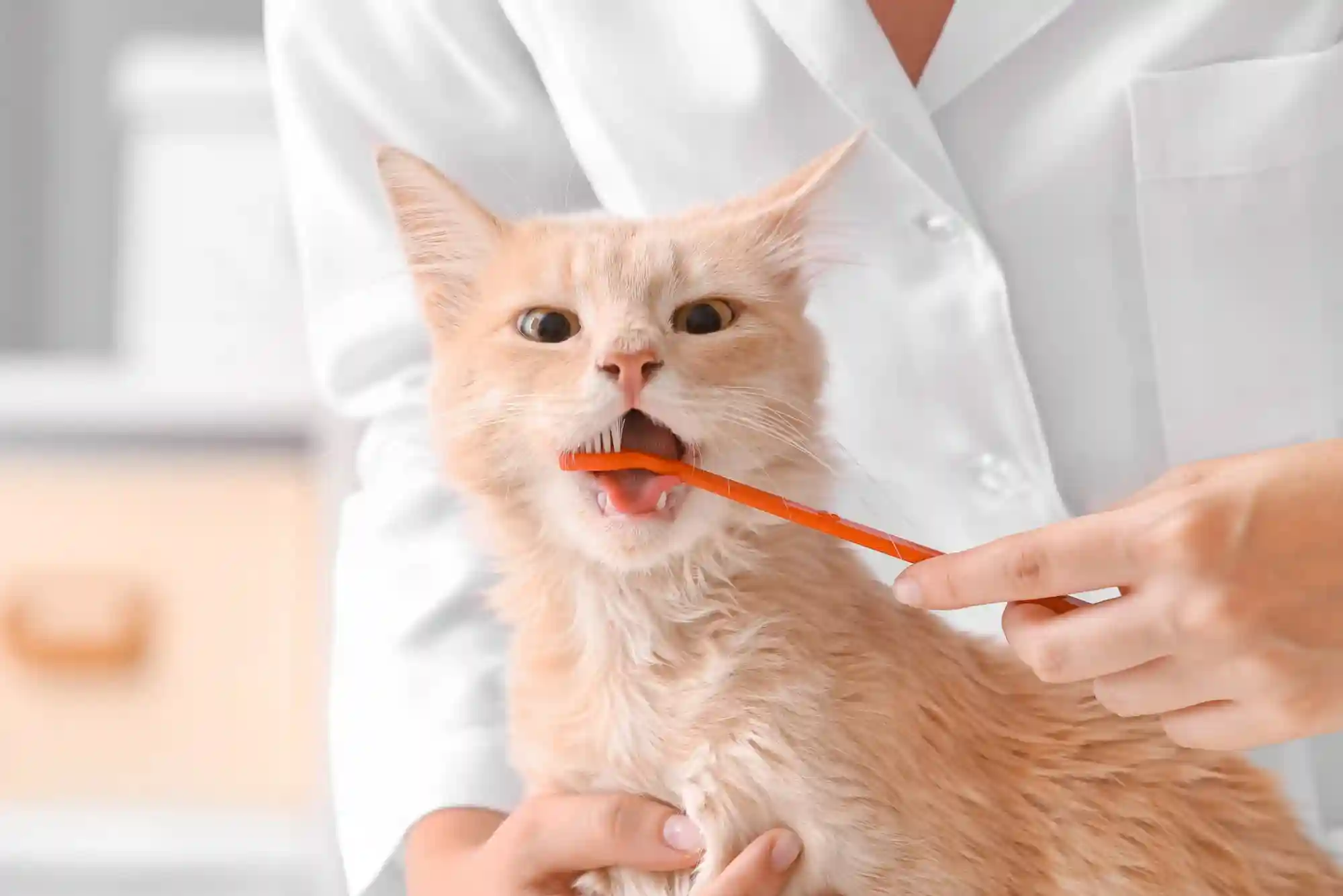
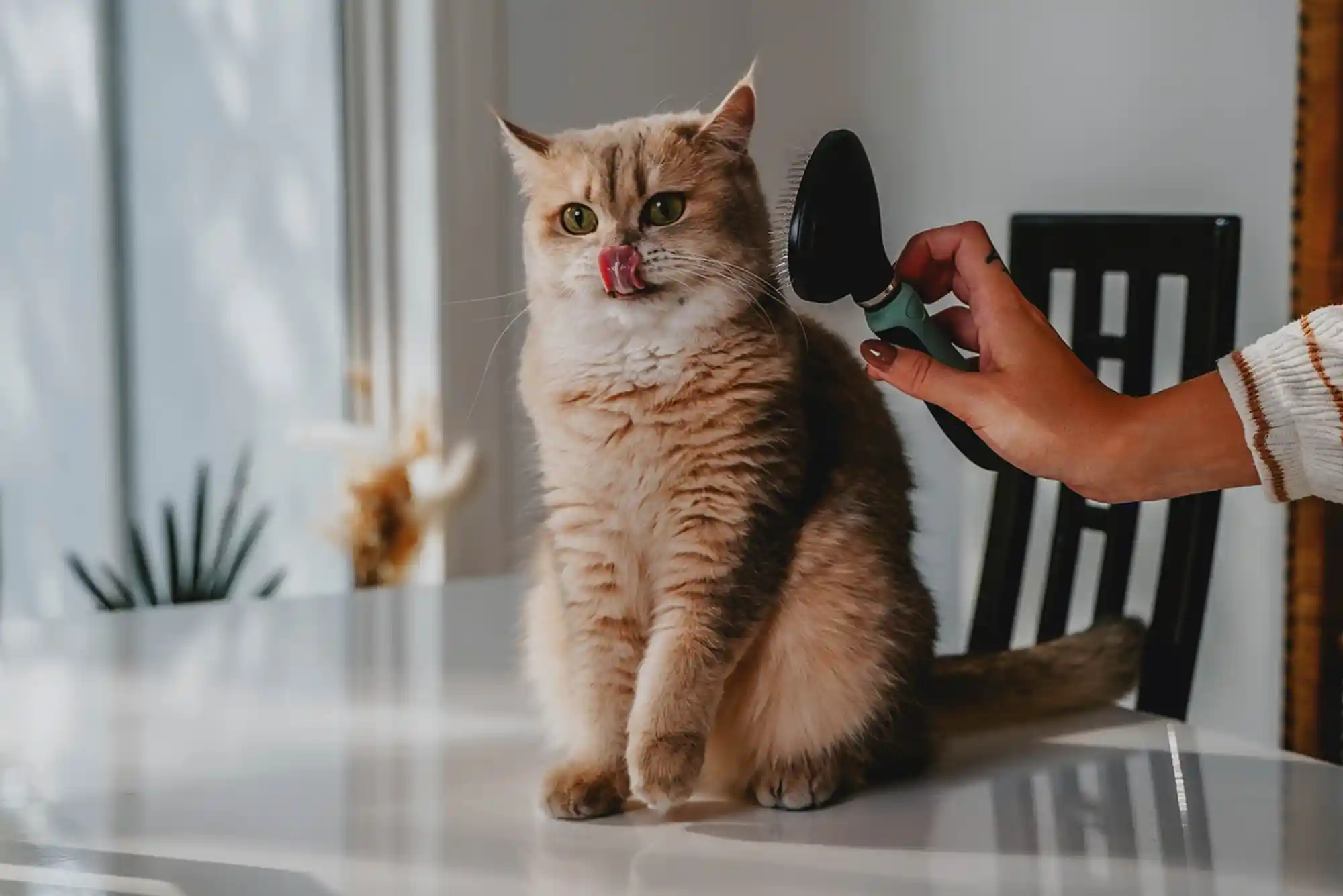
Regular brushing is one of the most practical ways to reduce hairballs. Brushing removes loose fur before your cat has an opportunity to swallow it during grooming.
For short-haired cats, several brushing sessions each week may be sufficient for some individuals. Long-haired cats often benefit from daily grooming, especially when shedding increases. Cornell’s feline health guidance specifically recommends daily brushing and combing to minimize hairball formation.
Choose a grooming tool that suits your cat’s coat and introduce it gradually. If your cat dislikes brushing, begin with very short sessions and reward calm behavior. Grooming should never become a stressful struggle.
Pay Attention During Shedding Seasons
Some cats shed more heavily at certain times of the year. Even indoor cats can experience increased shedding, although artificial lighting and indoor living may alter normal seasonal patterns.
During heavy shedding periods, increase brushing frequency and monitor your cat’s grooming behavior. Removing loose fur regularly can reduce the amount your cat eventually swallows.
Keep Your Cat Hydrated
Adequate hydration supports normal gastrointestinal function and can help maintain healthy digestion. Provide clean, fresh water every day and consider offering wet food if it fits your cat’s nutritional needs.
Some cats drink more readily from flowing water fountains, while others prefer wide, shallow bowls. Experiment with safe options to discover what encourages your cat to drink.
Hydration becomes especially important when a cat is also prone to constipation. Changes in bowel movements, repeated vomiting, lethargy, or reduced appetite warrant veterinary attention rather than simply adding a home remedy.
Choose an Appropriate Diet
Diet can play a role in managing hairballs. Some commercially available cat foods are specifically formulated with fiber intended to help move swallowed hair through the gastrointestinal tract. However, not every cat needs a specialized hairball diet.
Your veterinarian can help determine whether a hairball-control formula is appropriate based on your cat’s age, health, weight, and digestive history. Fiber should be introduced thoughtfully rather than added randomly.
A balanced, complete diet is more important than chasing individual “hairball” ingredients. If your cat has recurrent digestive problems, food allergies, or chronic vomiting, the underlying condition should be investigated.
Reduce Stress and Overgrooming
Indoor living can be perfectly healthy for cats, but an indoor environment still needs to provide opportunities for natural behaviors.
Cats that are bored, anxious, or stressed may overgroom. More grooming means more swallowed hair, potentially increasing hairball formation.
Provide scratching surfaces, interactive play, climbing opportunities, hiding places, and predictable routines. Daily play sessions can also give your cat an appropriate outlet for energy.
If overgrooming appears suddenly or is accompanied by bald patches, redness, scabs, or irritated skin, arrange a veterinary examination. Treating the skin or behavioral problem may be more effective than treating the resulting hairballs.
How to Treat Hairballs in Indoor Cats
An occasional hairball in an otherwise healthy cat is usually not an emergency. If your cat produces a typical hairball and quickly returns to normal eating, drinking, and behavior, monitoring may be appropriate.
However, treatment depends on why the hairball is occurring and whether the cat has developed complications.
Hairball Gels and Lubricants
Veterinary hairball products may help some cats move swallowed fur through the digestive tract. Products such as hairball gels are commonly formulated as lubricants.
Even though some are available without a prescription, they should not automatically be considered harmless. VCA recommends using digestive lubricants and hairball gels under veterinary direction, particularly when they are being used repeatedly or for ongoing problems.
Do not give your cat human laxatives, oils, or other household remedies unless your veterinarian specifically recommends them. Cornell warns that laxatives should not be given to cats without veterinary approval.
Hairball-Control Diets
For cats with recurring but uncomplicated hairballs, a veterinarian may recommend a diet designed to support the passage of swallowed hair. These diets may contain specific fiber combinations intended to move hair through the gastrointestinal tract.
A diet change should be gradual. Abruptly switching foods can itself cause digestive upset, making it harder to determine whether your cat’s original problem is improving.
Treat the Underlying Cause
If hairballs are occurring frequently, simply trying to make the hair pass through the digestive tract may not solve the problem.
A cat with allergies may need treatment for itchy skin. A cat with gastrointestinal disease may require dietary management or medication. A stressed cat may need environmental and behavioral changes.
PetMD notes that frequent hairballs can be associated with conditions including skin disease, parasites, inflammatory bowel disease, food reactions, foreign bodies, and problems affecting gastrointestinal movement.
This is why recurring hairballs deserve more attention than an isolated episode.
When Are Hairballs a Veterinary Emergency?
One of the most important parts of learning how to prevent and treat hairballs in indoor cats is knowing when home care is no longer appropriate.
A cat that repeatedly retches without producing a hairball may have an obstruction or another medical problem. Hairballs can occasionally become large enough to interfere with the gastrointestinal tract, and intestinal blockage can become life-threatening.
Contact a veterinarian promptly if your cat has repeated unproductive retching, persistent vomiting, refuses food, becomes unusually lethargic, loses weight, develops constipation, has diarrhea, or shows signs of abdominal discomfort.
A cat that cannot keep food or water down, appears severely ill, has significant abdominal pain, or repeatedly attempts to vomit without producing anything should receive urgent veterinary assessment.
It is also important to distinguish coughing from hairball-related retching. Cats with respiratory diseases such as asthma can sometimes appear to be trying to bring up a hairball. If you’re uncertain about what you’re seeing, recording a short video for your veterinarian can be extremely useful.
How Vets Diagnose Recurrent Hairballs
When hairballs happen frequently, a veterinarian will usually look beyond the hairball itself.
The examination may involve discussing your cat’s diet, grooming habits, stool, vomiting pattern, weight, appetite, and general behavior. Depending on the symptoms, the veterinarian may recommend blood tests, fecal testing, imaging such as X-rays or ultrasound, skin testing, or dietary trials.
If an obstruction is suspected, diagnostic imaging can help determine whether something is preventing normal gastrointestinal movement. In serious cases, treatment may involve hospitalization, supportive care, or surgery.
Recent veterinary information on intestinal motility also highlights that conditions such as large hairballs, foreign objects, dehydration, and underlying disease can contribute to reduced intestinal movement.
For owners interested in learning more about digestive movement and related feline conditions, Feline Digestive Motility is a useful starting point for veterinary-reviewed educational information.
Can Indoor Cats Outgrow Hairballs?
Some cats experience fewer hairballs as their grooming patterns change, but there is no guarantee that a cat will simply outgrow the problem.
Age, coat type, grooming habits, skin health, diet, activity, and gastrointestinal health can all influence how frequently hairballs occur.
Instead of focusing only on how often a hairball appears, look at the overall picture. A cat that occasionally produces a hairball but remains energetic, maintains its appetite, and has normal bowel movements may simply need routine grooming.
A cat that repeatedly vomits, loses weight, stops eating, or develops other symptoms needs a proper medical assessment.
Creating a Hairball-Prevention Routine
A consistent routine is usually more effective than reacting to hairballs after they appear. Make grooming part of your cat’s normal weekly schedule and increase it during periods of heavy shedding.
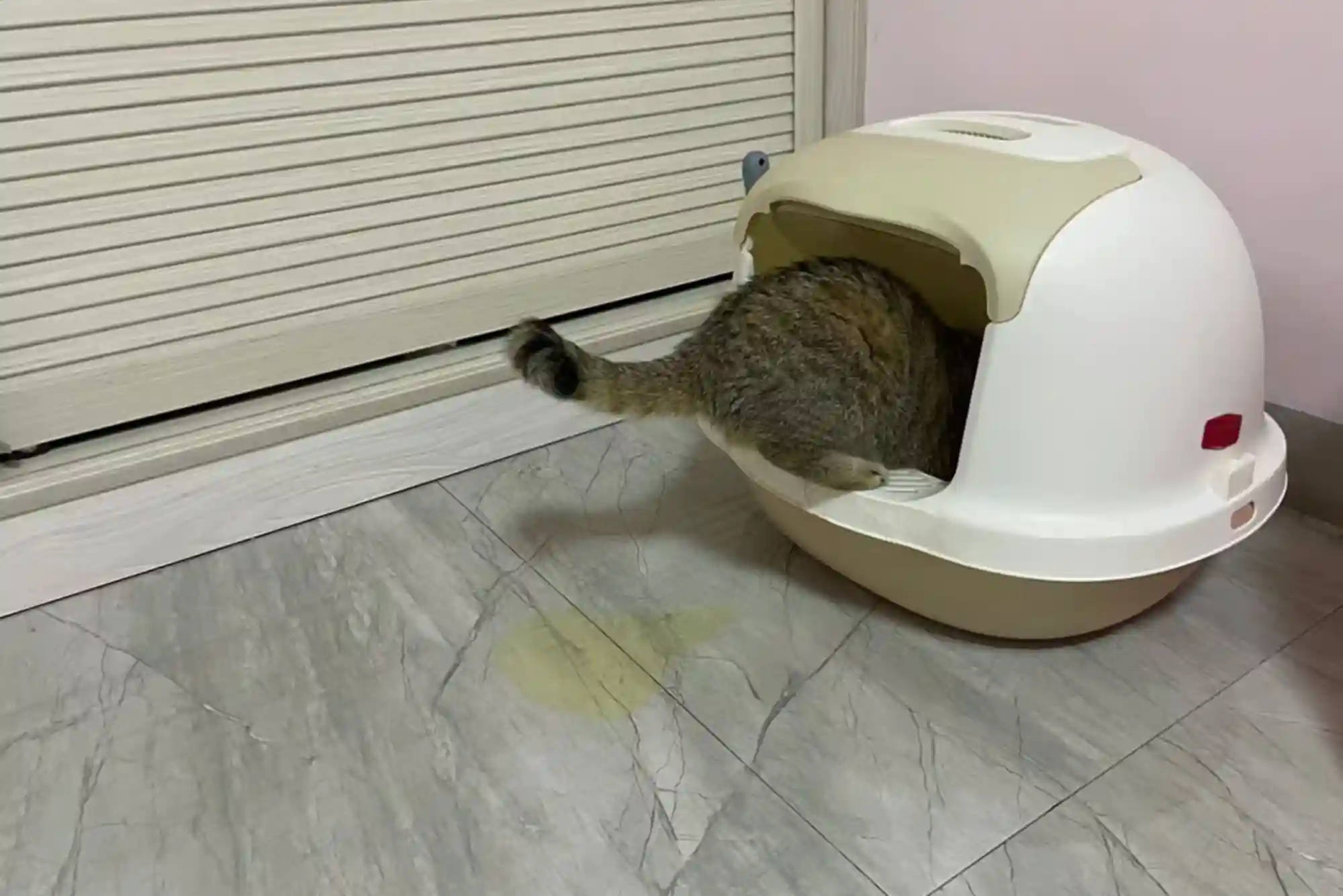
Keep fresh water available, feed a nutritionally complete diet, provide daily enrichment, and monitor your cat’s litter-box habits. These simple observations can help you identify changes before they become serious.
It is also worth keeping string, thread, ribbons, rubber bands, plastic pieces, and other small objects away from curious cats. Swallowed foreign materials can cause dangerous intestinal obstructions and may sometimes be mistaken for a simple digestive problem.
For additional feline-care resources and professional pet information, visit Redrose.
Keep Hairballs Under Control
Knowing how to prevent and treat hairballs in indoor cats starts with understanding that occasional hairballs can be part of normal grooming, but frequent or severe episodes should not be ignored. Regular brushing, good hydration, an appropriate diet, stress reduction, and attention to your cat’s skin and digestive health can all help reduce the amount of hair that accumulates in the stomach.
Most importantly, don’t automatically assume that every episode of retching or vomiting is a hairball. Persistent vomiting, repeated unproductive retching, appetite loss, lethargy, constipation, weight loss, or abdominal discomfort can indicate a more serious condition.
FAQs
How often should a cat have a hairball?
Occasional hairballs can occur in healthy cats, but there is no universal “normal” frequency for every individual. If hairballs become frequent, increase suddenly, or occur alongside vomiting, appetite loss, weight loss, constipation, or lethargy, contact your veterinarian.
How can I help my cat get rid of a hairball?
For an otherwise healthy cat with an occasional hairball, regular brushing and appropriate hydration can help reduce future episodes. Veterinary-approved hairball products may also be recommended. Do not give laxatives or household oils without veterinary guidance.
What is the best way to prevent hairballs in cats?
Regular grooming is one of the most effective basic measures because it removes loose fur before the cat can swallow it. Daily brushing is particularly useful for long-haired cats and during heavy shedding periods. A veterinarian may also recommend an appropriate hairball diet or supplement when needed.
Can indoor cats get hairballs?
Yes. Indoor cats groom themselves just like outdoor cats and can swallow substantial amounts of fur. Indoor living does not prevent hairballs, and some indoor cats may overgroom because of boredom, stress, allergies, or skin problems.
When should I worry about my cat’s hairballs?
Seek veterinary advice if your cat has repeated retching without producing a hairball, persistent vomiting, appetite loss, lethargy, weight loss, constipation, diarrhea, or signs of abdominal pain. These symptoms can indicate an obstruction or another health condition rather than an ordinary hairball.
Are hairball remedies safe for cats?
Some veterinary hairball products can be useful, but safety depends on the product, dose, and individual cat. Veterinary guidance is especially important when a product is being used regularly or when the cat has other health problems.
Related Reading: How to Stop Cats from Scratching Furniture: Scratching Post Setup
Related Reading: Best Wet Food for Senior Cats with Kidney Disease and Sensitive Stomachs — full guide