Best Wet Food for Senior Cats with Kidney Disease and Sensitive Stomachs
Finding the Best Wet Food for Senior Cats with Kidney Disease and Sensitive Stomachs can feel challenging. Older cats often need careful dietary support. Kidney disease can also change their nutritional requirements.
At the same time, a sensitive stomach may make sudden food changes difficult. Therefore, choosing food requires more than simply looking for a senior formula.
The right wet food should support hydration while providing appropriate levels of phosphorus and other nutrients. It should also be gentle enough for cats with digestive sensitivities.
Most importantly, food should complement veterinary care rather than replace it. Your vet can recommend the most suitable diet based on your cat’s kidney function, weight and overall health.
Why Wet Food Can Help Senior Cats With Kidney Disease
Hydration becomes particularly important when cats develop kidney disease. Healthy kidneys concentrate urine effectively. Diseased kidneys may lose some of this ability.
As a result, cats can lose more water through urination. Wet food can contribute useful moisture to the daily diet.

Many wet foods contain substantially more water than dry kibble. This makes them an attractive option for cats that do not drink enough independently.
However, moisture is only one consideration. The nutritional profile matters just as much.
The Best Wet Food for Senior Cats with Kidney Disease and Sensitive Stomachs should ideally balance hydration with kidney-friendly nutrition and digestive tolerance.
What Makes the Best Wet Food for Senior Cats with Kidney Disease and Sensitive Stomachs?
There is no single food that suits every senior cat with chronic kidney disease. Nevertheless, several characteristics are especially important.
Controlled Phosphorus
Phosphorus management is an important part of nutritional care for cats with chronic kidney disease. Excessive dietary phosphorus can be problematic as kidney function declines.
Veterinary renal diets are formulated with phosphorus restriction in mind. Therefore, they are often preferred when a cat has diagnosed kidney disease.
Do not assume that every senior or sensitive-stomach food has suitable phosphorus levels. Always check the nutritional information and ask your veterinarian for guidance.
Appropriate Protein
Protein is often misunderstood in feline kidney nutrition. Cats naturally need protein because they are obligate carnivores.
However, cats with kidney disease may require a carefully managed protein intake. The quality and digestibility of protein are also important.
Severe protein restriction without veterinary advice can be harmful. Senior cats can lose muscle, so nutritional balance matters.
For this reason, choosing food based only on a low-protein label is not recommended.
High Moisture Content
Wet food can provide additional water alongside normal drinking. This can be particularly useful for cats that have difficulty maintaining hydration.
Pâté and other soft textures may also be easier for older cats with dental problems. Some cats simply prefer gravy-based foods, although gravy does not automatically mean better nutrition.
Gentle, Digestible Ingredients
Sensitive cats may experience vomiting, loose stools or reduced appetite after eating unsuitable food. A gentle formula may therefore improve tolerance.
Highly digestible ingredients can be helpful. However, individual cats respond differently to ingredients.
If your cat has a known food intolerance, discuss suitable alternatives with your veterinarian.
Understanding Feline CKD Dietary Protein
Feline CKD Dietary Protein is a topic that often causes confusion among cat owners.
Kidney disease does not mean cats should avoid protein completely. Instead, the goal is usually to provide an appropriate amount of high-quality protein.
The correct amount depends on the cat’s stage of disease and nutritional condition. Weight loss and muscle loss can become serious concerns in older cats.
Therefore, dietary decisions should consider both kidney support and maintaining body condition.
A veterinary renal diet may offer a carefully balanced nutritional profile. It can also provide other nutrients designed for cats with kidney disease.
Best Food Types for Sensitive Senior Cats
Texture can make a significant difference when an older cat has digestive or appetite problems.
Pâté-Style Wet Food
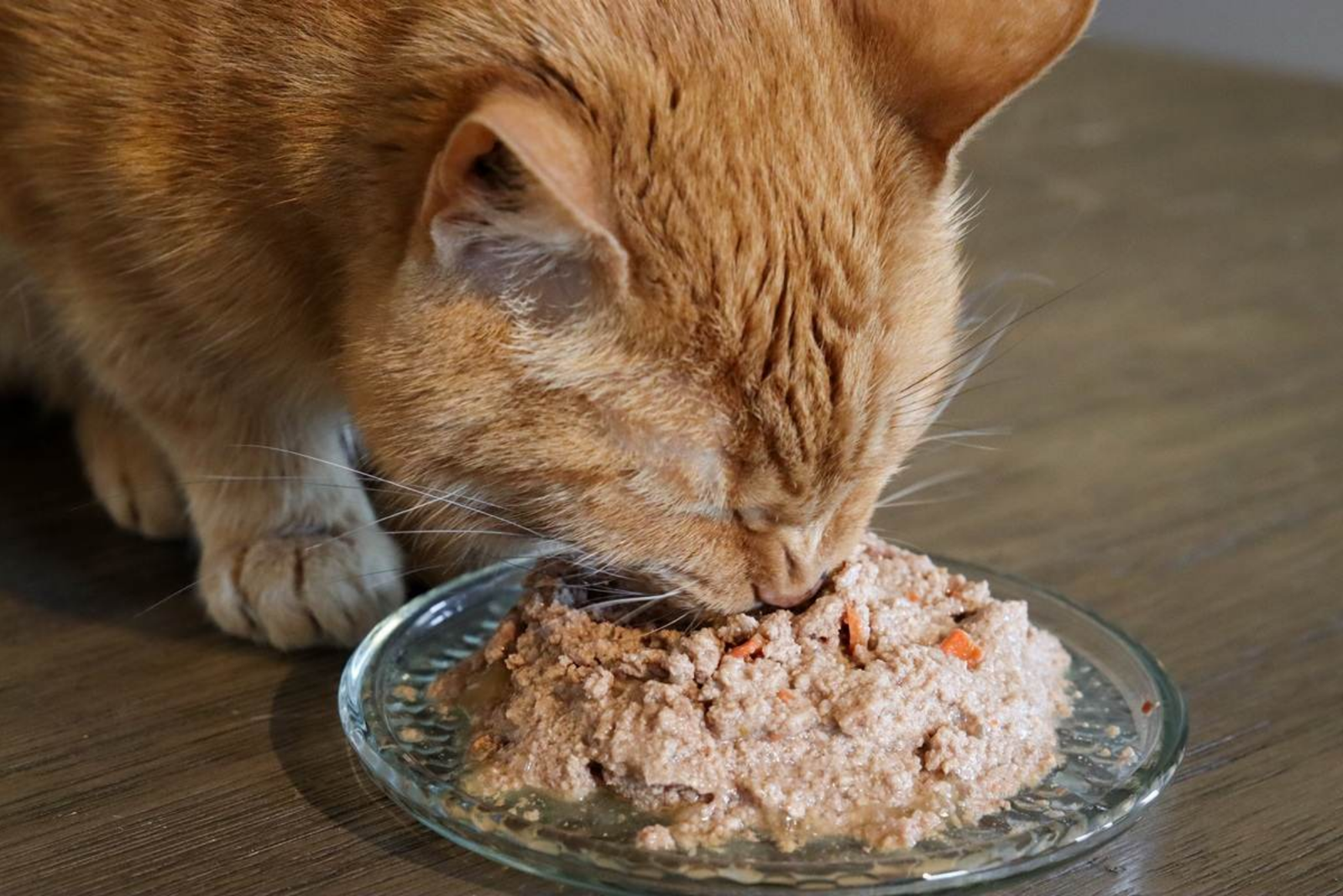
Smooth pâté can be easy to eat and digest for some cats. It also allows owners to mix additional water into the meal.
This can be useful when a cat needs encouragement to consume more fluids.
However, the nutritional formulation should always come first.
Mousse and Soft Textures
Mousse can suit cats that dislike chunky pieces. It may also work well for senior cats with dental discomfort.
Again, look beyond texture. A food can be gentle and appealing while still being unsuitable for kidney disease.
Veterinary Renal Wet Food
Prescription renal diets are specifically formulated for cats with kidney disease. They typically focus on nutrients such as phosphorus and protein.
Some also contain enhanced levels of certain nutrients, including omega-3 fatty acids and antioxidants.
If your cat has diagnosed CKD, ask your veterinarian whether a renal diet is appropriate.
How to Choose Food When Your Cat Has Both Conditions
Choosing the Best Wet Food for Senior Cats with Kidney Disease and Sensitive Stomachs requires balancing two nutritional priorities.
Kidney support should not be ignored because the cat has digestive sensitivity. Similarly, a renal diet is not useful if the cat refuses to eat it.
Start by discussing your cat’s needs with a veterinarian. Consider kidney values, body weight, appetite, stool quality and previous food reactions.
Then introduce any new food gradually. A sudden change can trigger digestive upset, especially in sensitive cats.
Mix a small amount of the new food with the existing diet. Gradually increase the new food as your cat accepts it.
If vomiting, diarrhoea or appetite loss develops, contact your veterinary practice.
Food Comparison Table for Senior Cats With CKD
| Food characteristic | Why it matters | What to look for |
|---|---|---|
| High moisture | Supports daily fluid intake | Wet food with substantial moisture |
| Controlled phosphorus | Supports nutritional management of CKD | Veterinary guidance and appropriate phosphorus levels |
| Moderate, quality protein | Helps maintain muscle while supporting kidney care | Highly digestible animal protein |
| Soft texture | Easier for some older cats to eat | Pâté, mousse or tender textures |
| Digestibility | May reduce digestive discomfort | Simple, well-tolerated ingredients |
| Palatability | Encourages adequate food intake | A flavour and texture your cat accepts |
| Balanced nutrition | Supports overall health | Complete and balanced formulation |
| Veterinary renal formulation | Designed specifically for CKD | Renal diet recommended by your vet |
Feeding Tips for Senior Cats With Sensitive Stomachs
Small meals can sometimes be easier for older cats to tolerate. They may also help cats that become overwhelmed by large portions.
Serve food at a comfortable temperature. Slightly warming wet food can increase its aroma and encourage eating.
Keep feeding times consistent whenever possible. Cats often respond well to predictable routines.
Fresh drinking water should always remain available. Consider placing several water bowls around the home.
Some cats prefer wide, shallow bowls. This may help cats that dislike their whiskers touching the sides.
Avoid frequent changes between unrelated foods. Consistency can be especially useful for cats with sensitive digestion.
Can You Mix Renal Food With Other Wet Food?
Sometimes owners mix renal food with another wet food to improve acceptance. However, this can change the overall nutritional profile.
For cats requiring strict dietary management, frequent additions may reduce the intended benefits of a therapeutic diet.
Speak with your veterinarian before regularly combining foods. They can suggest suitable options that preserve nutritional goals.
If your cat refuses a prescribed renal diet, do not simply allow prolonged fasting. Appetite loss can become dangerous, particularly in older cats.
Your veterinarian may recommend another renal formulation, flavour or texture.
What If Your Senior Cat Refuses Kidney Food?
Palatability is a major practical issue. Even nutritionally excellent food cannot help if your cat refuses to eat it.
Try different textures from appropriate renal formulations. Some cats prefer pâté, while others prefer chunks with sauce.
You can also ask your veterinarian about warming the food slightly. Stronger aromas may make meals more appealing.
Never force-feed a cat without veterinary guidance. Persistent appetite loss requires professional assessment.
Redrose and Senior Cat Food Choices
When researching Senior Cat Food Guide information, pet owners may encounter different brands and feeding approaches. Redrose is another name that may appear during food research.
However, brand recognition alone should not determine a kidney-friendly diet.
The important question is whether a particular product matches your cat’s nutritional requirements. Check the product’s complete nutritional information and intended use.
For cats with diagnosed CKD, a veterinarian should help determine whether the food is suitable.
How Often Should a Senior Cat With Kidney Disease Eat?
There is no universal feeding schedule for every cat. Some senior cats prefer several small meals throughout the day.
Others maintain a healthy appetite with two or three meals.
The best schedule depends on body condition, appetite, medication and individual tolerance.
Your veterinarian can help establish an appropriate daily calorie target. This becomes especially important if your cat is losing weight.
Signs That Your Cat’s Diet May Need Review
Dietary problems can sometimes appear as changes in appetite or digestion. Weight loss deserves particular attention in senior cats.
Vomiting, diarrhoea and persistent nausea should not be ignored. Increased thirst and urination can also occur with kidney disease.
A sudden change in behaviour may indicate discomfort or another health problem.
Regular veterinary monitoring is important because kidney disease can progress over time. Blood tests and urine testing can help assess changes.
Frequently Asked Questions
What is the best food for a senior cat with kidney disease?
The best food is usually one formulated to support kidney health and approved by your veterinarian. Therapeutic renal diets are commonly used.
The ideal choice also needs to suit your cat’s appetite and digestive tolerance. A food that your cat will not eat is not a practical solution.
Is wet food better for cats with kidney disease?
Wet food can help increase dietary moisture. This can be beneficial for cats with kidney disease.
However, not every wet food is nutritionally suitable. Phosphorus, protein and overall nutritional balance remain important.
What should I feed my cat with kidney disease and a sensitive stomach?
A veterinary renal wet food that your cat tolerates may be the best starting point. Your veterinarian can recommend suitable formulations.
Introduce dietary changes gradually to reduce the chance of digestive upset.
Should senior cats eat wet food every day?
Wet food can be fed daily when it provides complete and balanced nutrition. It may also contribute useful moisture.
The appropriate amount depends on your cat’s calorie requirements and health status.
How can I get my cat with kidney disease to eat?
Try an appropriate renal food with a texture your cat enjoys. Warming the food slightly can sometimes improve its aroma.
If your cat continues refusing food, contact your veterinarian promptly.
Is high protein bad for cats with kidney disease?
Cats still require protein to maintain muscle and normal body functions. However, cats with CKD may benefit from carefully controlled dietary protein.
The correct level depends on the individual cat. Avoid making major protein changes without professional advice.
Conclusion
Finding the Best Wet Food for Senior Cats with Kidney Disease and Sensitive Stomachs requires careful consideration. Hydration, phosphorus, protein quality, digestibility and palatability all matter.
Most importantly, dietary choices should reflect your cat’s individual kidney function and nutritional condition.
A veterinary renal diet may be appropriate for many cats with CKD. However, sensitive digestion and food preferences must also be considered.
Do not focus on a single ingredient or marketing claim. Instead, evaluate the complete nutritional profile and your cat’s response.
If your senior cat has kidney disease, speak with your veterinarian before making a major dietary change. With the right food and regular monitoring, you can provide better nutritional support throughout your cat’s later years.
Related Reading: The Minimalist Powerhouse: Why One Device is All You Need for Work and Play in 2026