Introduction
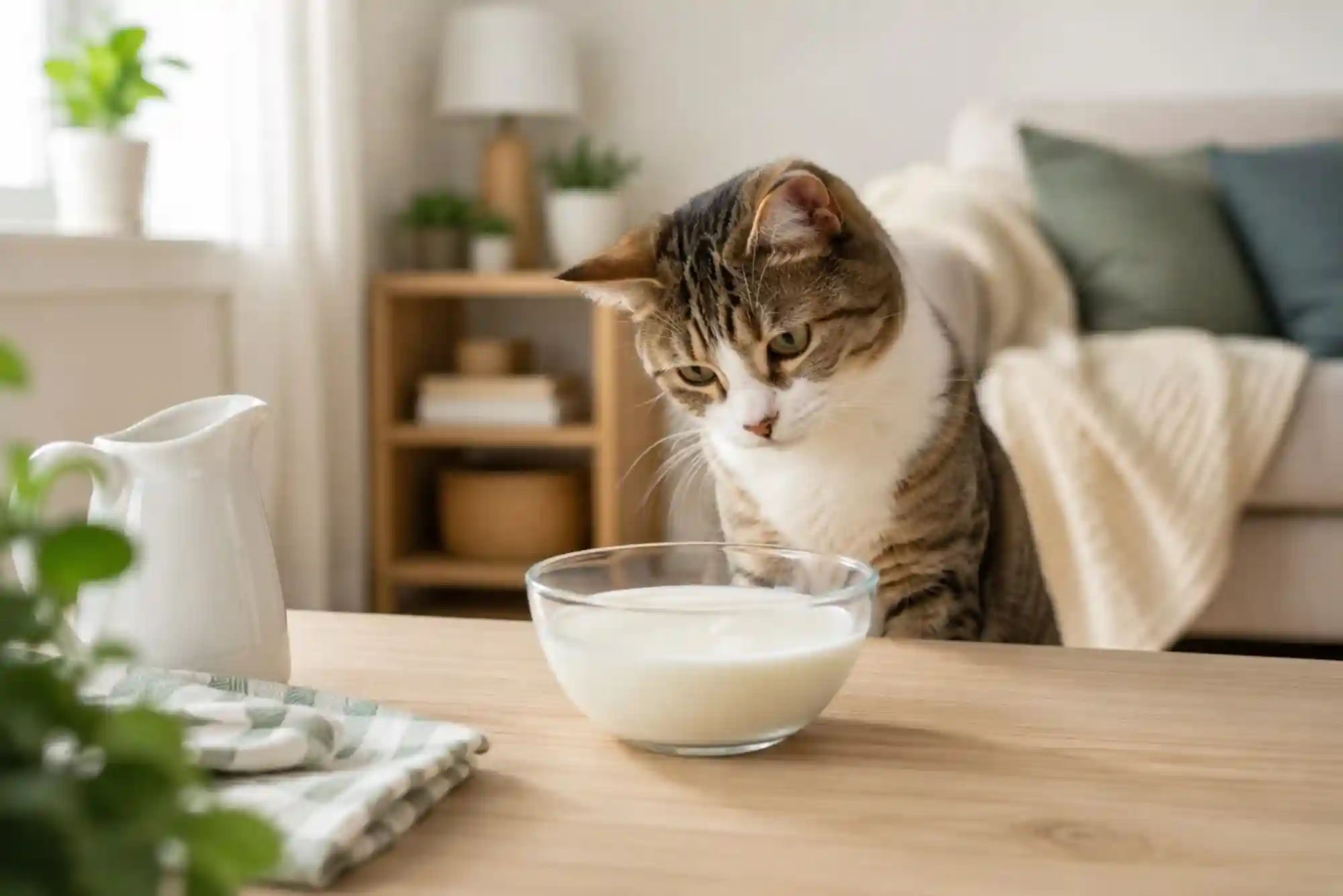
Many people imagine cats happily drinking milk from a bowl. This familiar image appears in cartoons, children’s books, and popular culture. However, the reality is quite different. Understanding Can Cats Drink Milk? Lactose Intolerance and Safe Hydration helps cat owners make healthier choices for their pets.
Although kittens depend on their mother’s milk, most adult cats cannot digest regular milk comfortably. Their digestive systems change as they grow, making lactose harder to process. Consequently, drinking cow’s milk may cause digestive discomfort, diarrhea, and other problems.
Fortunately, cats do not need milk to remain healthy. Fresh water, balanced nutrition, and appropriate feeding habits provide everything they need. This guide explains why milk can be problematic and how to support your cat’s hydration safely.
Can Cats Drink Milk Safely?
Cats can drink small amounts of milk without experiencing immediate problems. However, that does not mean milk is a suitable everyday treat. Most adult cats have reduced lactase activity, which affects their ability to digest lactose.
Lactose is the natural sugar found in milk. Lactase is the enzyme responsible for breaking it down during digestion. When cats produce insufficient lactase, undigested lactose moves into the intestine.
There, it attracts water and undergoes fermentation by intestinal bacteria. This process can cause loose stools, gas, bloating, and abdominal discomfort. The severity depends on the cat’s individual tolerance and the amount consumed.

Therefore, cow’s milk should not be part of a cat’s regular diet. Even if your cat enjoys its taste, its digestive system may not tolerate it well.
Why Are Cats Lactose Intolerant?
How Digestion Changes After Kittenhood
Kittens naturally produce lactase to digest their mother’s milk. This ability supports their growth during early development. As kittens become independent, lactase production generally decreases.
Adult cats may consequently struggle to digest the lactose in cow’s milk. However, lactose tolerance varies between individual animals. Some cats experience symptoms after small amounts, while others show no obvious reaction.
Importantly, a cat that drinks milk without diarrhea is not necessarily benefiting from it. Milk still contributes extra calories and may reduce appetite for nutritionally complete food.
Signs of Lactose Intolerance in Cats
Symptoms usually develop within several hours after a cat drinks milk. In some cases, digestive problems may appear later.
Common signs include diarrhea, excessive gas, abdominal discomfort, bloating, and occasional vomiting. Your cat might also seem restless or become less interested in food.
These symptoms can have causes other than lactose intolerance. Therefore, repeated digestive problems should not automatically be blamed on milk.
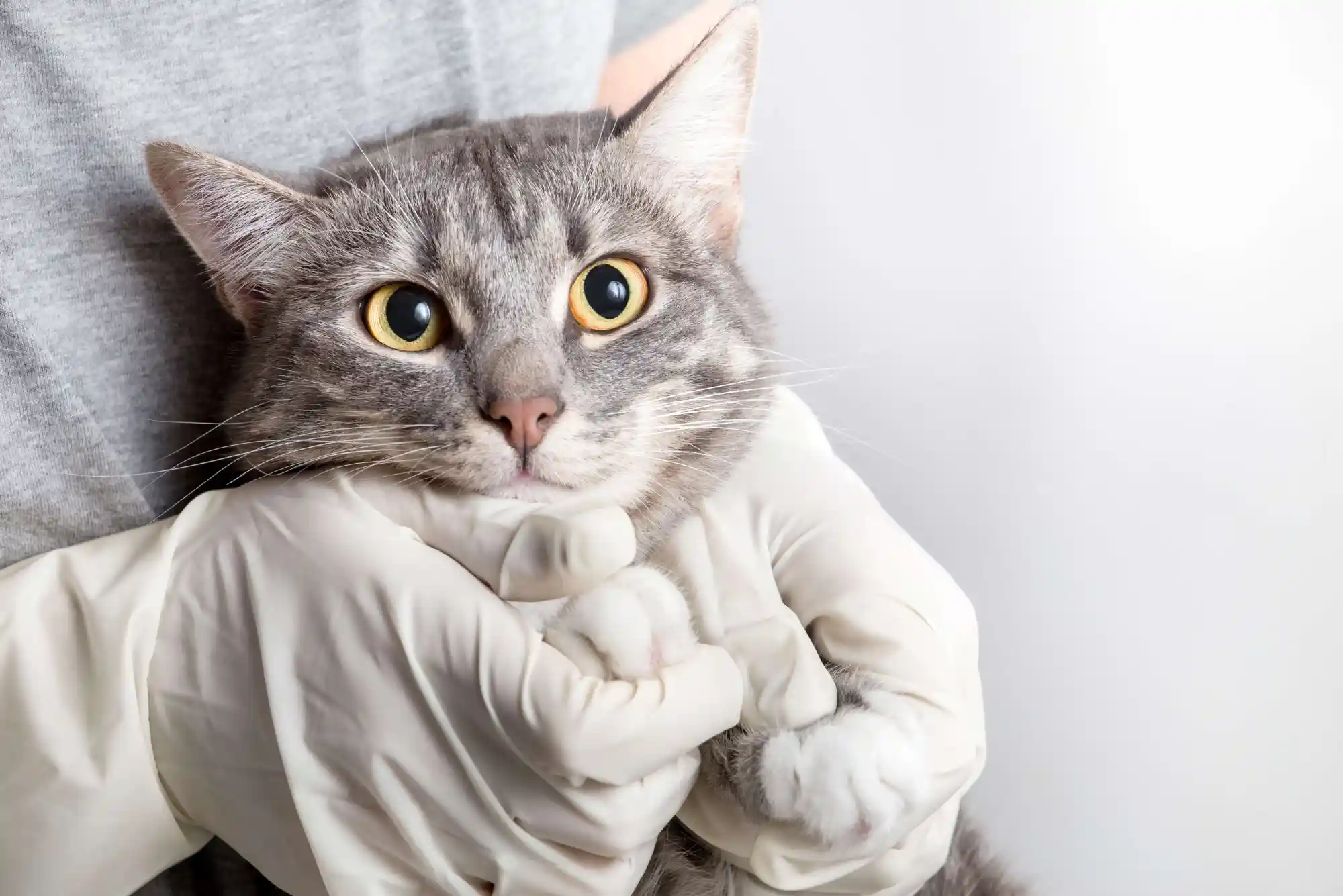
Contact your veterinarian if symptoms persist or worsen. Seek prompt veterinary attention if your cat develops repeated vomiting, bloody diarrhea, marked weakness, or signs of dehydration.
Can Kittens Drink Cow’s Milk?
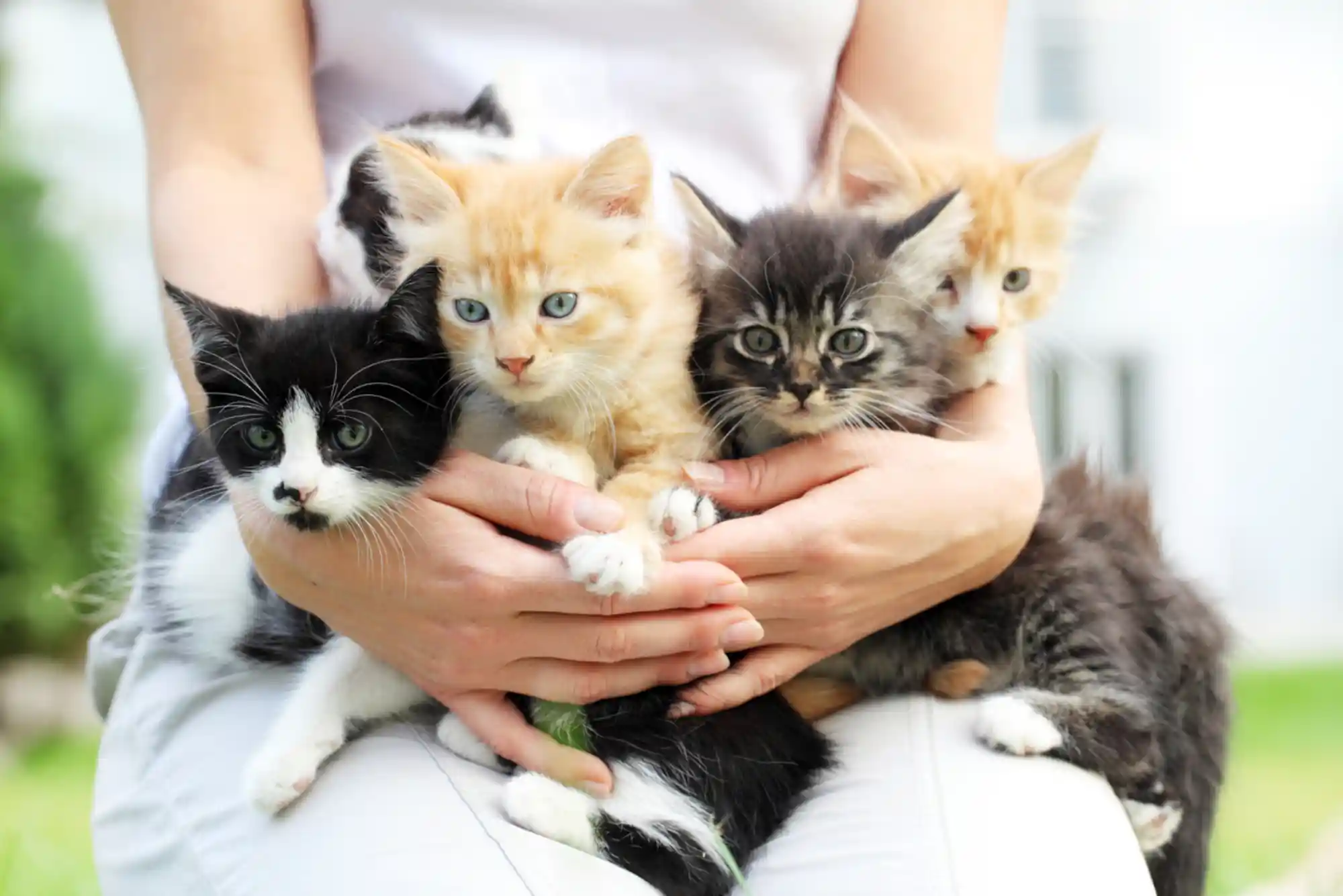
Kittens need appropriate milk during their earliest weeks of life. However, cow’s milk is not a suitable substitute for their mother’s milk.
Cow’s milk has a different nutritional composition. It does not provide the same balance of nutrients that growing kittens require. Furthermore, its lactose content may cause digestive problems.
Newborn kittens should receive their mother’s milk whenever possible. If their mother is unavailable or cannot nurse, use a commercially prepared kitten milk replacer recommended by a veterinarian.
Young kittens require frequent feeding and careful temperature management. Incorrect feeding techniques can also cause serious complications. Ask a veterinarian for guidance, particularly when caring for orphaned or underweight kittens.
As kittens begin weaning, they gradually transition toward suitable kitten food. Fresh water should also become available as they start eating solid food.
Is Any Type of Milk Safe for Cats?
Not every milk product affects cats in the same way. Nevertheless, most human milk products are unnecessary for feline nutrition.
Lactose-Free Milk
Lactose-free cow’s milk contains little or no lactose because the sugar has been broken down. This can make it easier for lactose-intolerant cats to digest.
However, lactose-free milk still contains calories and other components that cats do not need. Some products also contain added ingredients that may be unsuitable for pets.
If you want to offer milk occasionally, choose a product specifically formulated for cats. Even then, serve it sparingly and follow the product’s feeding guidance.
Goat’s Milk
Goat’s milk is sometimes promoted as an easier alternative to cow’s milk. However, it still contains lactose and may trigger digestive symptoms.
It should not be considered a reliable solution for lactose intolerance. Cats with sensitive stomachs may react to goat’s milk just as they do to other dairy products.
Almond, Soy, and Oat Milk
Plant-based milk alternatives are not necessary for cats. Almond milk may contain added sugar, flavorings, or other ingredients. Soy milk can cause digestive upset in some animals, while oat milk may contribute unnecessary carbohydrates.
Certain products contain sweeteners or additives that create additional risks. Never offer a milk alternative without checking its ingredients carefully.
In particular, avoid products containing chocolate, caffeine, or potentially harmful sweeteners. When uncertain, skip the product and provide fresh water instead.
Safe Hydration: What Should Cats Drink?
Water is the best everyday drink for cats. It supports digestion, circulation, temperature regulation, and normal kidney function.
Cats evolved from ancestors adapted to relatively dry environments. Consequently, some cats have a naturally low thirst drive. This can make adequate water intake especially important.
Wet food provides additional moisture and may help cats meet their hydration needs. Dry food contains considerably less water, so cats eating primarily dry food may need to drink more.
The appropriate amount of water depends on body size, diet, activity, temperature, and health. Rather than forcing your cat to drink a fixed amount, provide constant access to clean water.
Make Water More Appealing
Place clean water bowls in quiet, accessible locations. Keep them away from litter trays and, when practical, separate from food bowls. Some cats prefer these resources in different locations.
Wash bowls regularly and replace their water at least daily. During hot weather, check more frequently because water can become warm or contaminated.
A cat water fountain may encourage drinking because some cats prefer moving water. However, fountains are not essential if your cat drinks comfortably from a bowl.
You can also increase moisture intake by offering complete and balanced wet cat food. If you change your cat’s diet, introduce the new food gradually.
What Happens If Your Cat Drinks Milk?
If your cat accidentally drinks a small amount of cow’s milk, there is usually no need to panic. Remove the remaining milk and offer fresh water.
Monitor your cat for digestive symptoms over the following hours. Mild symptoms may resolve as the milk passes through the digestive system.
Do not give human medications to treat diarrhea or vomiting without veterinary advice. Some medicines that people commonly use can be dangerous for cats.
If your cat develops persistent diarrhea, repeated vomiting, or reduced appetite, contact your veterinarian. Kittens, senior cats, and cats with existing health problems may need more urgent attention.
Milk can also contribute to weight gain when offered frequently. Cats need most of their calories from nutritionally complete cat food, not additional treats.
Do Cats Need Milk for Good Nutrition?
No. Milk is not an essential part of an adult cat’s diet.
Cats are obligate carnivores, meaning they require nutrients naturally associated with animal-based foods. A complete commercial cat food formulated for the appropriate life stage can meet these nutritional requirements.
Milk does not replace the balanced protein, fats, vitamins, and minerals found in suitable cat food. Excessive treats can also interfere with a healthy feeding routine.
For most cats, treats should account for no more than approximately 10% of daily calories. Their main diet should provide the remaining nutrition.
If your cat has kidney disease, urinary problems, diabetes, or another medical condition, consult your veterinarian about dietary choices. Individual hydration and nutrition recommendations may differ.
Frequently Asked Questions
Can cats drink milk every day?
No. Daily milk consumption is unnecessary and may cause digestive problems. Most adult cats tolerate fresh water better, making it the safest everyday drink.
Why do cats love milk if they are lactose intolerant?
Cats may enjoy milk because of its taste, smell, and fat content. However, enjoying a food does not mean an animal can digest it comfortably.
Can cats drink a little cow’s milk?
Some cats tolerate a small amount, while others develop diarrhea or discomfort. It is best to avoid cow’s milk because it offers no essential benefit.
Is lactose-free milk safe for cats?
Lactose-free milk may be easier to digest, but it still contains calories. If you offer a milk treat, choose one specifically formulated for cats and provide only a small amount.
What can I give my cat instead of milk?
Fresh, clean water is the best choice. Wet cat food can also increase moisture intake. A veterinarian may recommend additional hydration strategies for cats with specific medical needs.
How can I tell if my cat is dehydrated?
Possible signs include tacky gums, reduced energy, poor appetite, and changes in urination. However, dehydration cannot be reliably diagnosed from one sign alone.
Contact your veterinarian if you suspect dehydration, especially if your cat is vomiting or experiencing diarrhea. Severe dehydration requires prompt medical treatment.
Conclusion
Understanding Can Cats Drink Milk? Lactose Intolerance and Safe Hydration helps owners avoid unnecessary digestive problems. Although kittens need their mother’s milk, most adult cats have difficulty digesting lactose.