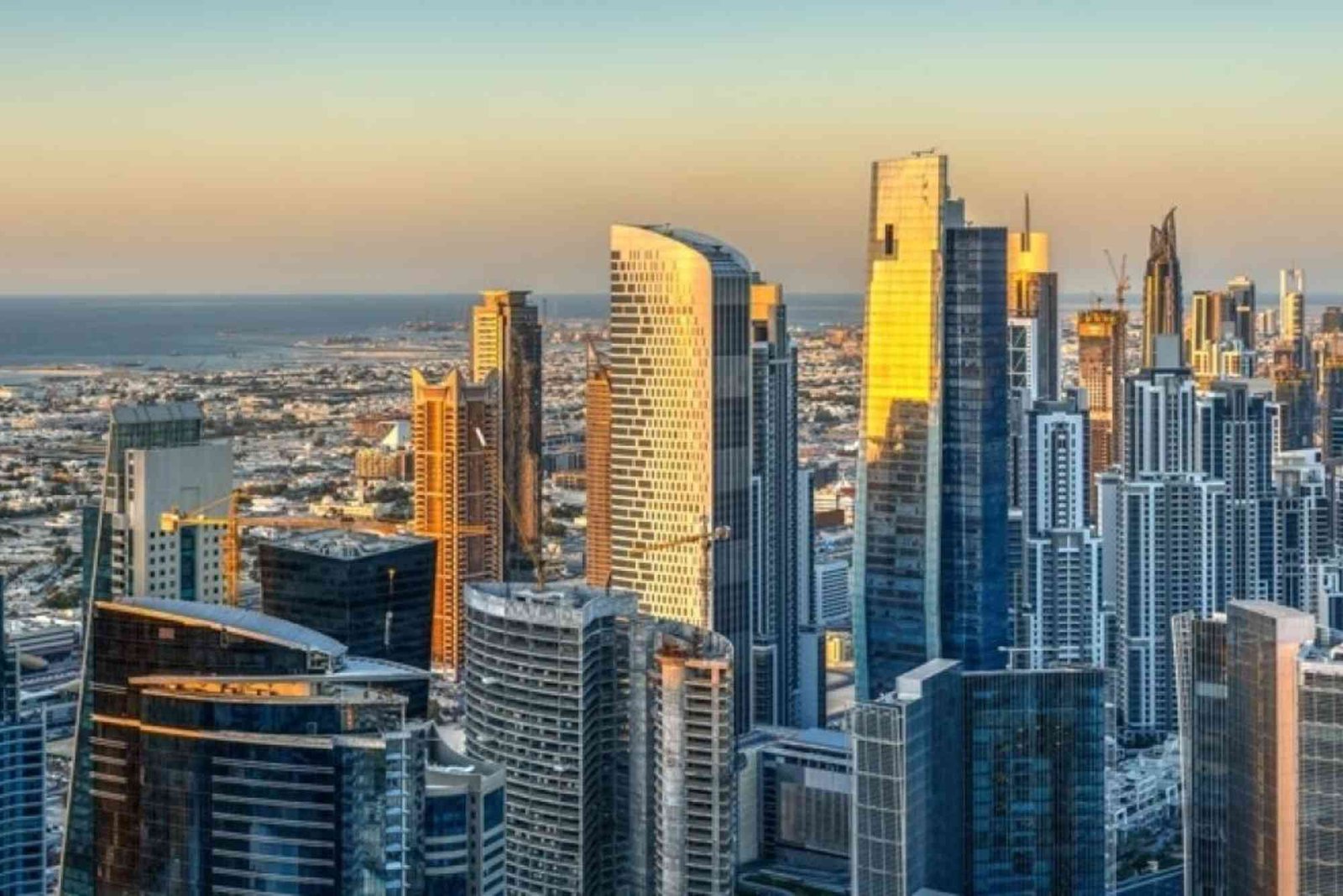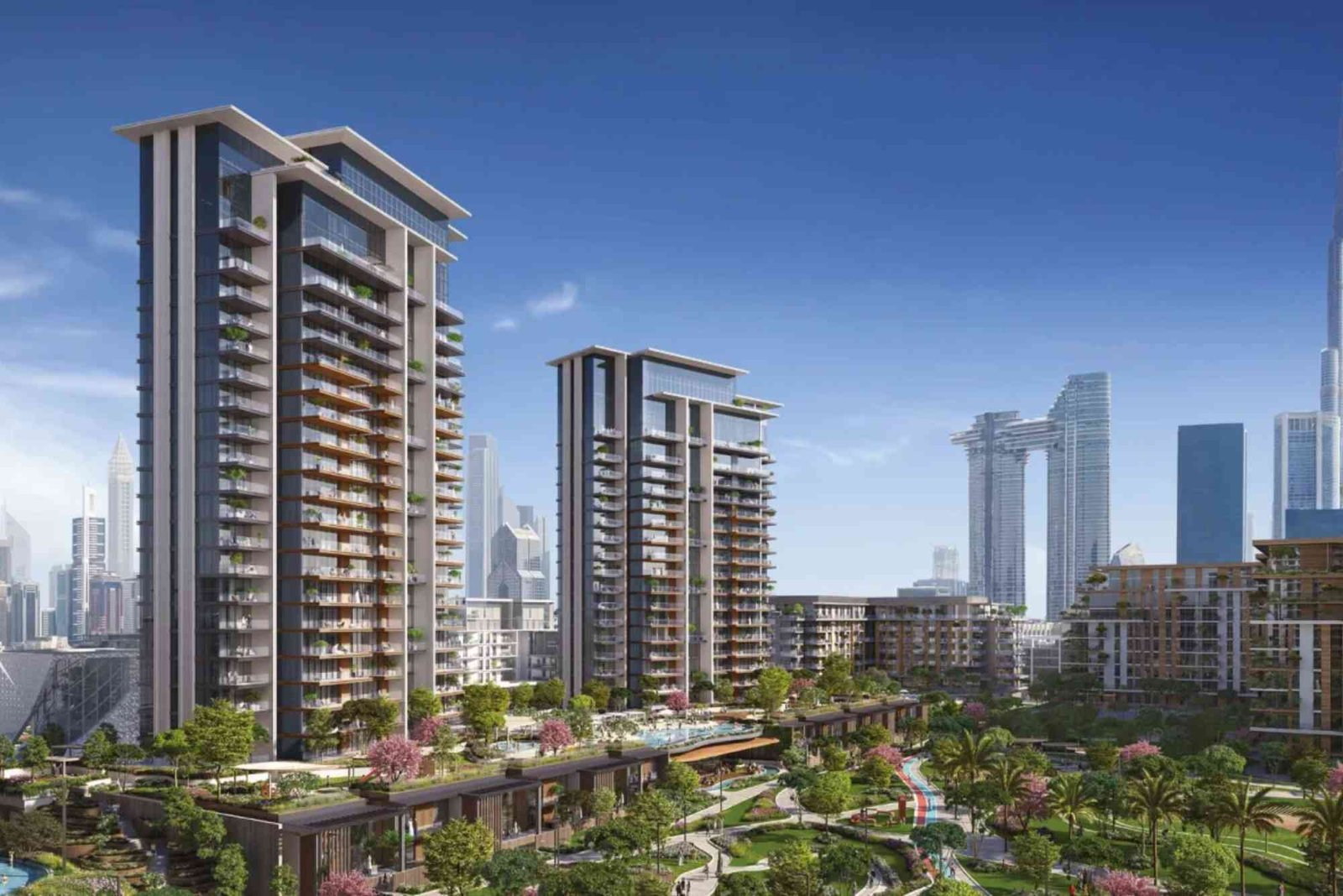
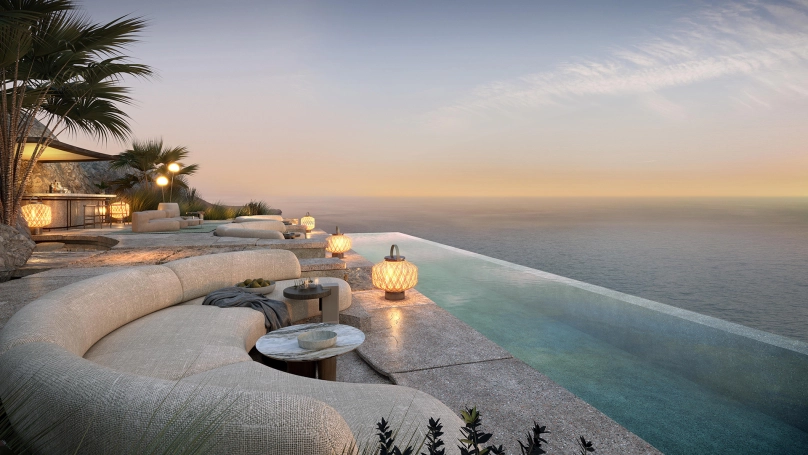
Luxury housing in modern cities has transformed significantly over the past decades, moving beyond simple spacious layouts toward comprehensive lifestyle environments. Today’s high-end residential projects focus on comfort, sustainability, and community integration, reflecting changing expectations of urban living. Residents increasingly seek homes that offer privacy while remaining closely connected to business districts, cultural centres, and essential services. During research into premium developments, many people encounter projects such as Bellevue luxury flats in the middle of their market exploration, which illustrate how contemporary architecture blends elegance with functionality in dense urban settings. These trends reveal a shift toward thoughtfully designed spaces that support both daily life and long-term value.
Modern luxury residences emphasise quality over excess. Architectural planning prioritises natural light, efficient spatial use, and seamless indoor-outdoor transitions where possible. Advanced materials improve energy efficiency and sound insulation, creating calm environments within bustling cities. Shared amenities such as wellness centres, rooftop gardens, and social lounges enhance community interaction while maintaining a sense of exclusivity. This balance of privacy and shared experience defines many of today’s high-end developments.
Core Features Shaping Modern Luxury Apartments
Successful luxury projects focus on long-term livability rather than short-term visual appeal. Their design principles are guided by comfort, adaptability, and sustainability.
- optimised layouts for flexible living and working;
- high-quality construction materials and finishes;
- integrated smart home technologies;
- access to wellness and recreational facilities;
- efficient energy and climate systems;
- proximity to cultural and business districts.
Another important factor influencing demand is adaptability. With remote work becoming common, luxury apartments now often include spaces suitable for home offices without compromising living comfort. Soundproofing, connectivity, and natural lighting support productivity alongside relaxation. These functional upgrades have become as important as aesthetic design.
Market resilience also depends on urban planning and infrastructure investment. Neighbourhoods with reliable public transport, green spaces, and social services tend to maintain stronger demand over time. Luxury housing located within such environments benefits from both lifestyle appeal and long-term value stability.
As cities continue to grow and densify, luxury apartments will remain central to urban development strategies. Their evolution reflects broader social changes, including sustainability priorities and the blending of work and living spaces. Understanding these trends helps buyers view premium housing not merely as a status symbol, but as a carefully engineered response to modern urban life.