Introduction
Cat dental health is an essential part of your pet’s overall well-being. Unfortunately, many cats develop oral problems that remain unnoticed until they become painful. Gingivitis and tooth resorption are two common dental conditions that can affect eating, grooming, and daily comfort. Understanding their warning signs helps cat owners seek timely veterinary care.
Cats often hide discomfort because they instinctively conceal signs of weakness. Therefore, a cat may continue eating even when its mouth hurts. Regular dental examinations and careful observation can help identify problems before they worsen. This guide explains the signs, causes, treatment options, and prevention strategies for better cat dental health.
Why Cat Dental Health Matters
Healthy teeth and gums help cats eat comfortably and maintain their quality of life. However, plaque can accumulate on teeth and encourage inflammation along the gumline. Without appropriate care, dental problems may progress and cause considerable discomfort.
Poor oral health can also affect a cat’s behavior. Some cats become irritable, withdraw from interaction, or stop grooming themselves properly. Others may approach their food but hesitate when chewing.
Maintaining cat dental health involves more than checking whether your pet has bad breath. It requires attention to gum color, eating habits, drooling, and changes in behavior. Veterinary examinations remain important because many oral conditions develop below the gumline.
What Is Gingivitis in Cats?
Gingivitis is inflammation of the gums surrounding a cat’s teeth. It commonly develops when plaque accumulates along the gumline. Plaque contains bacteria that can irritate gum tissue and trigger inflammation.

Healthy cat gums generally appear pink, although pigmentation varies between individual cats. Inflamed gums may look red, swollen, or sensitive, especially where the teeth meet the gums.
Common Signs of Cat Gingivitis
One of the earliest signs is redness along the gumline. The gums may appear swollen or bleed when touched. Some cats also develop persistent bad breath despite having no recent dietary changes.
A cat with gingivitis may chew more slowly or favor one side of its mouth. It might drop food while eating or show discomfort when yawning. However, mild cases may cause few obvious symptoms.
Other warning signs include increased drooling, reduced appetite, and reluctance to have the face touched. These symptoms can also indicate other oral conditions, so a veterinary examination is important.
What Causes Gingivitis in Cats?
Plaque buildup is a major cause of gingivitis. When plaque remains on the teeth, it encourages bacterial activity and irritates surrounding gum tissue. Over time, hardened plaque called tartar can make oral hygiene more difficult.
Other factors may contribute to gum inflammation. These include dental crowding, underlying illnesses, and certain inflammatory oral conditions. Some cats develop more severe inflammation because of individual differences in their immune response.
Gingivitis can affect cats of different ages. Nevertheless, older cats may have accumulated more dental problems over time. Kittens can also experience gum inflammation, particularly during tooth development.
Understanding Tooth Resorption in Cats
Tooth resorption is a painful condition in which a cat’s body gradually breaks down parts of its teeth. The process can affect the outer tooth structure and extend into deeper tissues. In advanced cases, the crown may weaken, break, or disappear beneath the gumline.
Unlike ordinary plaque buildup, tooth resorption is not simply a result of poor brushing. Its exact cause remains incompletely understood, and dental treatment is often necessary.
Warning Signs of Tooth Resorption
Tooth resorption can be difficult for owners to identify because visible changes may be subtle. Some cats continue eating despite significant dental pain. Others suddenly become sensitive when chewing dry food or accepting treats.
A cat may chatter its jaw when a painful tooth is touched. It might jerk its head away, paw at its mouth, or resist facial handling. Drooling and bleeding around a tooth can also occur.
In some cases, a small area of pink tissue appears near the affected tooth. The tooth may look damaged, or part of its crown may seem missing. However, many lesions develop below the gumline and require dental X-rays for detection.
Why Tooth Resorption Requires Veterinary Attention
Tooth resorption can cause substantial pain even when a cat appears otherwise healthy. Unfortunately, the condition cannot be reversed through brushing, dental treats, or home remedies.
A veterinarian will examine the mouth and may recommend dental radiographs under anesthesia. These images help identify affected roots and determine the appropriate treatment.
Depending on the lesion, treatment may involve extracting the affected tooth. Certain cases may qualify for a specialized technique called crown amputation with intentional root retention. This procedure is appropriate only when dental imaging and clinical findings meet specific criteria.
Your veterinarian can explain the safest option for your cat’s individual condition.
Gingivitis vs. Tooth Resorption: Understanding the Difference
Gingivitis primarily affects the gum tissue, whereas tooth resorption damages the tooth itself. Both conditions can cause redness, drooling, bad breath, and difficulty eating. Consequently, symptoms alone cannot reliably distinguish between them.
Early gingivitis may improve with professional dental cleaning and consistent oral hygiene. Tooth resorption generally requires treatment of the affected tooth because the damaged structure cannot be restored.
The conditions can also occur together. A cat with inflamed gums may have an underlying resorptive lesion that is difficult to see during an ordinary examination.
Therefore, professional assessment is essential whenever dental discomfort is suspected. Dental radiographs are particularly valuable when a cat has unexplained oral pain or visible tooth damage.
How Veterinarians Diagnose Dental Problems
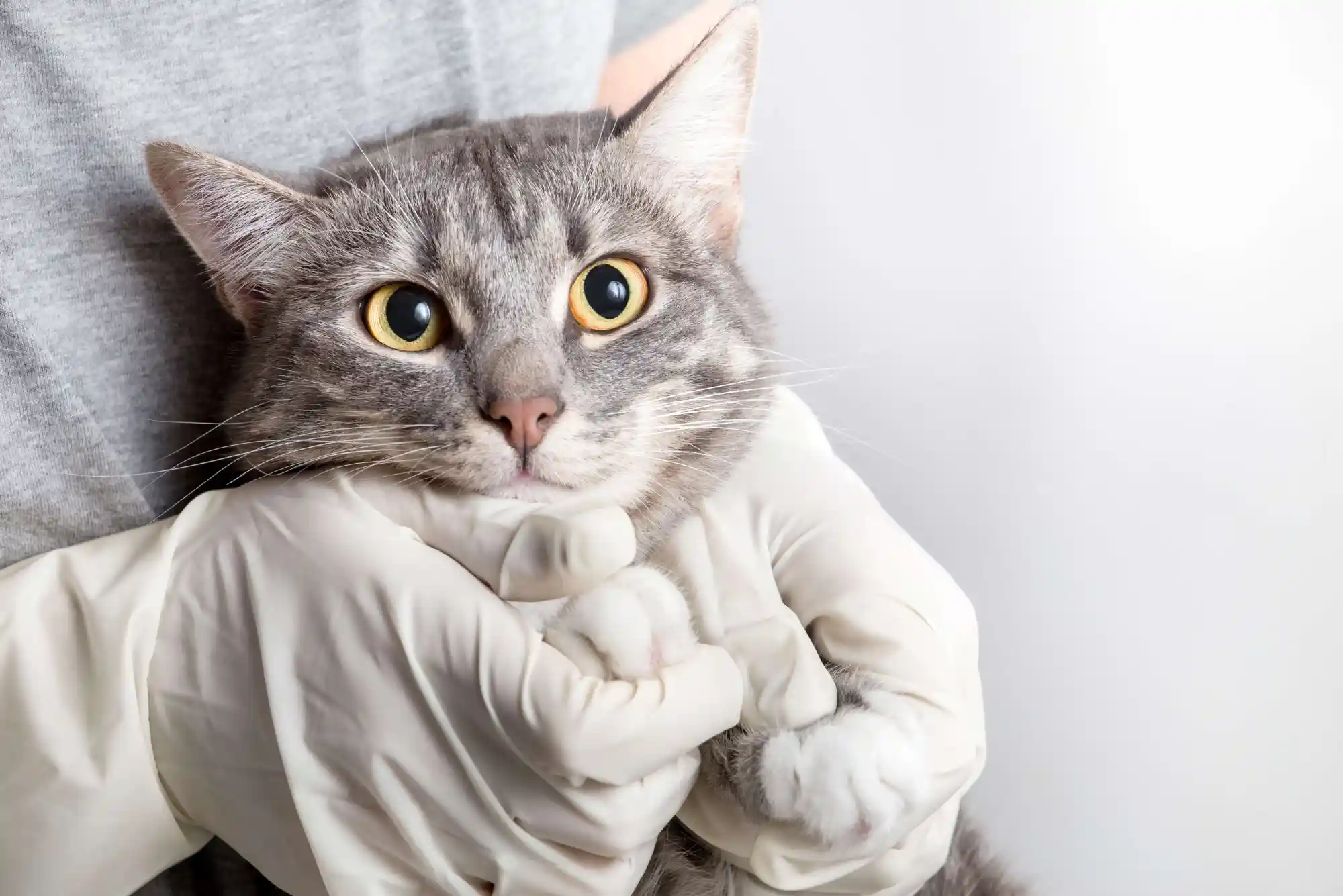
A veterinary dental examination usually begins with an assessment of the gums, teeth, breath, and oral tissues. The veterinarian may look for plaque, tartar, bleeding, loose teeth, and signs of discomfort.
However, a conscious examination cannot reveal every problem. Cats may resist mouth handling, and some lesions remain hidden below the gums. For a thorough assessment, the veterinarian may recommend an examination under general anesthesia with dental X-rays.
Before anesthesia, the veterinary team evaluates the cat’s health and determines whether additional testing is necessary. The procedure allows the veterinarian to examine individual teeth, clean inaccessible areas, and treat diagnosed problems.
Early diagnosis often makes dental treatment more straightforward. It also helps prevent prolonged discomfort and complications from untreated disease.
Treatment Options for Cat Gingivitis and Tooth Resorption
Treatment depends on the severity and underlying cause of the dental problem. Mild gingivitis may improve after professional cleaning removes plaque and tartar. The veterinarian may also recommend a home dental routine to control future plaque accumulation.
More advanced periodontal disease can require additional treatment. This may include extracting teeth that have suffered severe supporting-tissue damage.
Tooth resorption usually requires extraction of affected teeth or an appropriate specialist procedure. Pain relief and other supportive treatments may be recommended according to the cat’s needs.
Never give human painkillers to cats without veterinary direction. Medications such as ibuprofen and acetaminophen can be extremely dangerous to them.
After dental treatment, follow your veterinarian’s feeding instructions and medication schedule carefully. Contact the clinic if your cat develops worsening swelling, persistent bleeding, severe lethargy, or refuses food.
How to Maintain Better Cat Dental Health at Home
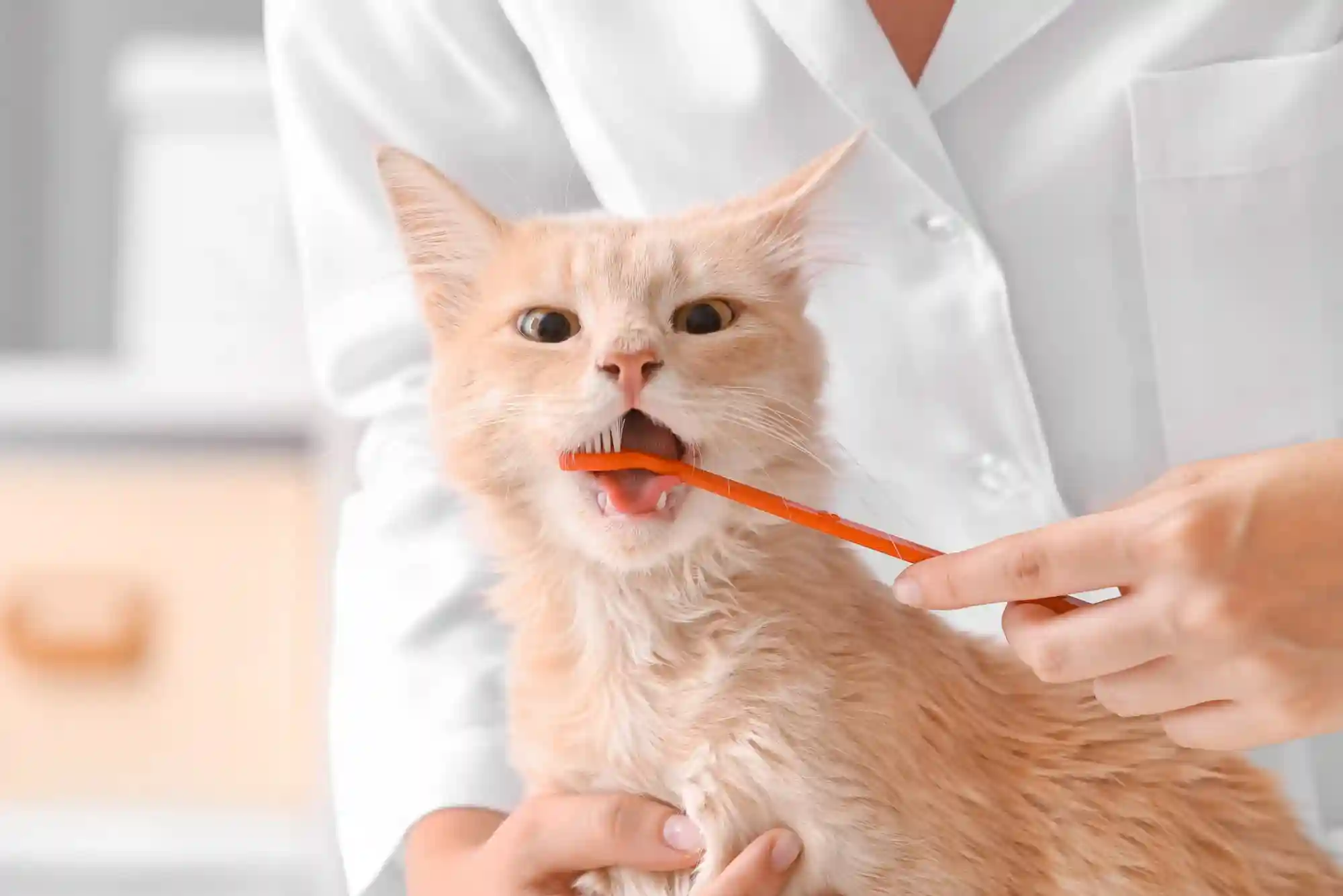
Preventive care can help reduce plaque buildup and support healthier gums. Ideally, introduce dental care gradually while your cat is relaxed. Start by gently touching the lips before progressing to the teeth.
Use a toothbrush designed for cats and veterinary-approved toothpaste. Human toothpaste is unsuitable because some ingredients can be harmful when swallowed. Never force brushing if your cat shows pain or becomes distressed.
Dental diets and products carrying the Veterinary Oral Health Council’s acceptance may also help control plaque or tartar. Choose products appropriate for your cat’s age and health, and ask your veterinarian for recommendations.
Routine veterinary checkups are equally important. Your veterinarian can identify changes that are difficult to detect at home and recommend professional cleaning when necessary.
Remember that brushing cannot cure existing tooth resorption. Home care supports prevention and maintenance, but it does not replace dental treatment.
When Should You Take Your Cat to the Vet?
Schedule a veterinary appointment if your cat has persistent bad breath, red gums, drooling, or changes in eating behavior. You should also seek advice if your cat drops food, chews on one side, or avoids having its mouth touched.
Sudden inability to eat, significant oral bleeding, facial swelling, or severe pain requires prompt veterinary attention. If your cat cannot urinate, struggles to breathe, or becomes extremely weak, seek emergency veterinary care.
Do not wait for your cat to stop eating completely before arranging an examination. Cats can conceal oral pain for considerable periods, and continued eating does not rule out serious dental disease.
Frequently Asked Questions
Can gingivitis in cats go away on its own?
Mild gum inflammation may fluctuate, but the underlying cause often remains without appropriate care. Professional cleaning and improved dental hygiene can help manage plaque-related gingivitis. Severe or persistent inflammation needs veterinary assessment.
What are the first signs of dental disease in cats?
Early signs may include red gums, bad breath, plaque buildup, and mild discomfort while eating. Some cats show behavioral changes rather than obvious mouth symptoms. Regular veterinary examinations help detect problems earlier.
Is tooth resorption painful for cats?
Yes, tooth resorption can be very painful. The condition damages tooth structures and may expose sensitive tissues. Some cats continue eating despite the discomfort, making veterinary examination important.
Can brushing prevent tooth resorption in cats?
Brushing helps control plaque and supports healthier gums, but it does not reliably prevent tooth resorption. The condition has a different disease process and often requires professional treatment when detected.
How often should cats have dental checkups?
Cats should have their mouths assessed during routine veterinary examinations. The ideal frequency of professional dental cleaning depends on age, existing disease, and individual risk. Your veterinarian can recommend an appropriate schedule.
Conclusion
Cat dental health plays an important role in comfort, appetite, and everyday behavior. Gingivitis can cause inflamed gums, while tooth resorption may progressively damage teeth and create significant pain. Because both conditions can remain hidden, relying on visible symptoms alone is not enough.