Introduction
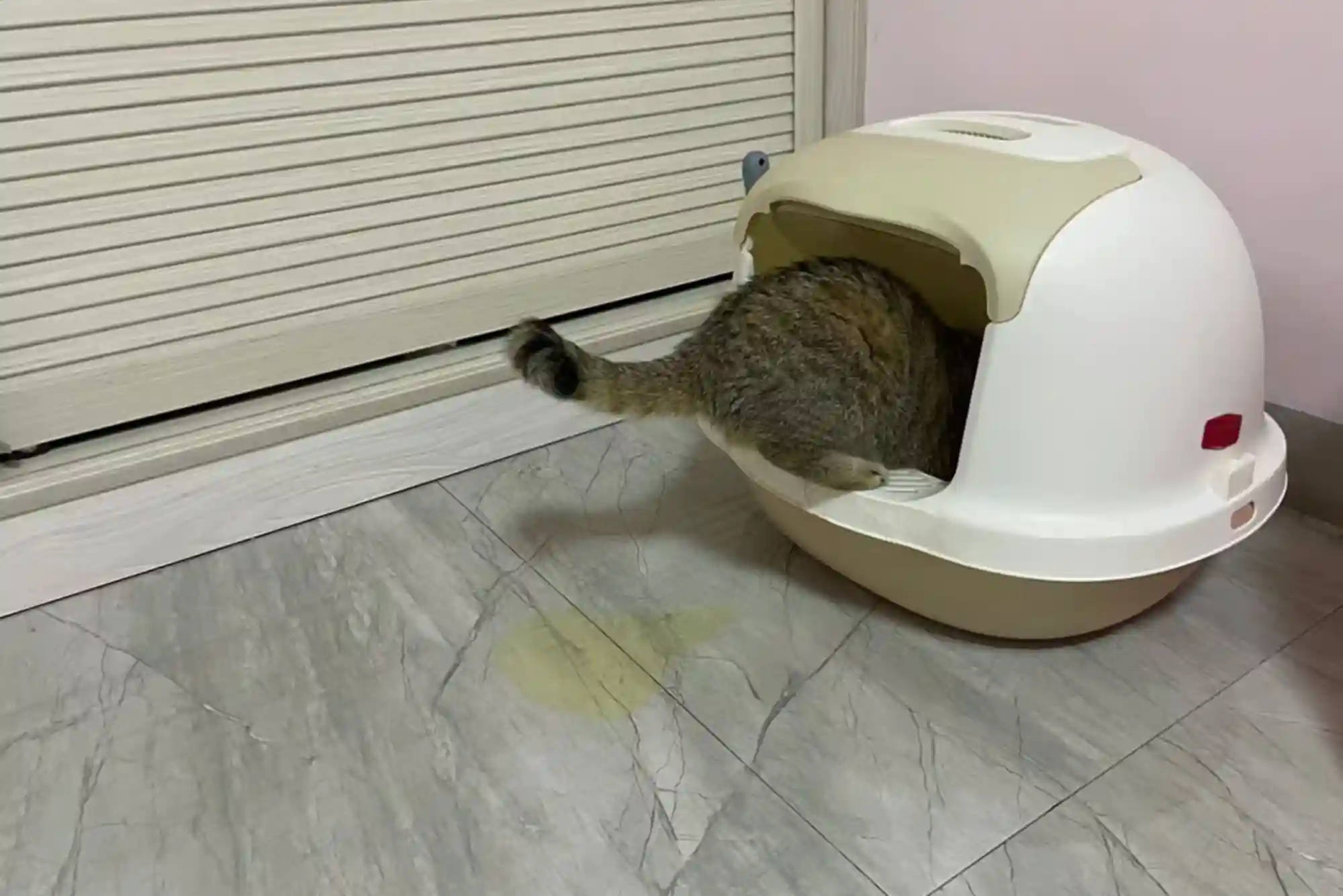
Finding urine outside your cat’s litter box can be frustrating. However, this behavior usually has an underlying cause that needs attention. If you are wondering, “Why is my cat peeing outside the litter box?” the answer could involve medical problems, stress, an unsuitable litter box, or environmental changes.
Cats are naturally clean animals. Therefore, sudden changes in their bathroom habits should never be ignored. Your cat might be experiencing discomfort, feeling anxious, or struggling with the litter box setup.
Understanding the reason is the first step toward solving the problem. In this guide, we explore seven common causes and practical solutions to help your cat return to healthy litter habits.
Why Is My Cat Peeing Outside the Litter Box? Understanding the Problem
Cats do not usually urinate outside their litter boxes to punish their owners. Instead, they may be communicating discomfort, fear, or dissatisfaction with their environment.
Some cats urinate on carpets, beds, clothing, or bathroom floors. Others repeatedly visit the litter box but produce very little urine. These behaviors can have different explanations.
Before changing your cat’s routine, observe when and where the accidents happen. Also, consider whether your cat shows changes in appetite, activity, or bathroom frequency. These details can help your veterinarian identify the cause.

7 Causes and Solutions for Cats Peeing Outside the Litter Box
1. Urinary Tract Problems or Other Medical Conditions
Medical problems are among the most important reasons cats begin urinating outside their litter boxes. Bladder inflammation, urinary tract infections, bladder stones, and other urinary conditions can make urination painful.
When a cat associates the litter box with discomfort, it may begin choosing another location. You might notice frequent trips to the box, straining, crying, or licking the genital area.
Older cats may also develop kidney disease, diabetes, or other conditions that increase urine production. Arthritis can make entering a high-sided litter box painful.
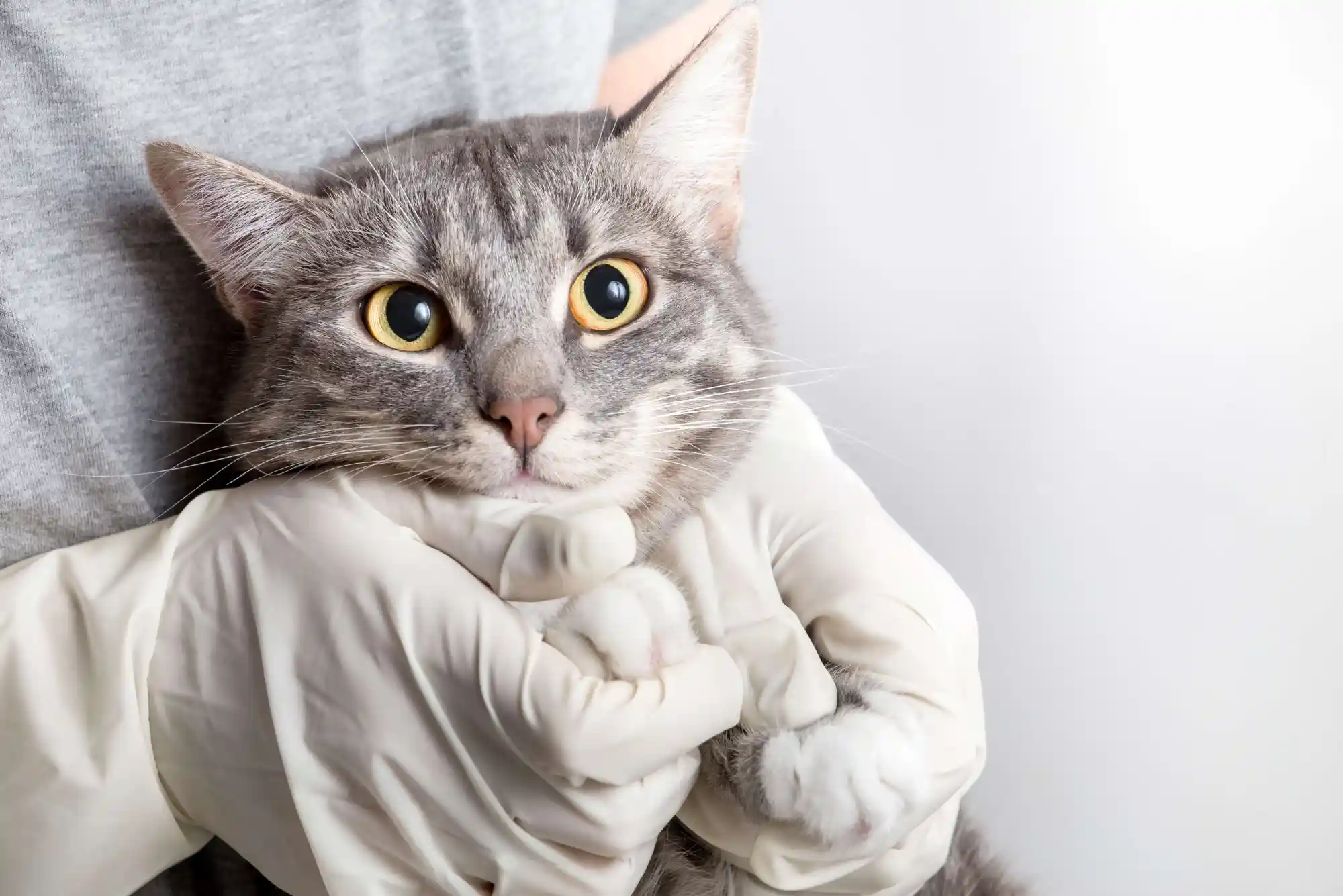
Solution: Arrange a veterinary examination when your cat develops new or persistent urinary problems. Your veterinarian may recommend a urinalysis, blood tests, or additional investigations.
Seek emergency veterinary care if your cat repeatedly strains but produces little or no urine. This is particularly dangerous in male cats because a urinary blockage can become life-threatening quickly.
2. A Dirty or Uncomfortable Litter Box
Cats often prefer clean, comfortable places to eliminate. If the litter box contains strong odors, wet litter, or accumulated waste, your cat may avoid it.
The box itself can also create problems. Covered boxes may feel restrictive to some cats, while small boxes can make turning and digging difficult.
Strongly scented litter, rough textures, and sudden changes in litter type may also discourage use.
Solution: Scoop the litter box at least once daily, preferably more frequently when necessary. Wash it regularly using mild, unscented soap and water.
Choose a spacious box that allows your cat to turn around comfortably. Many cats prefer unscented, fine-textured litter. If you want to change the litter, introduce the new type gradually rather than replacing everything immediately.
3. Stress, Anxiety, and Environmental Changes
Stress can significantly affect feline bathroom habits. Cats are sensitive to changes in their surroundings, even when those changes seem minor to their owners.
Moving house, welcoming a new baby, introducing another pet, or changing your daily routine can trigger anxiety. Loud construction, unfamiliar visitors, and conflicts with other cats may also contribute.
Some stressed cats avoid exposed litter boxes because they fear being approached or trapped while eliminating.
Solution: Provide a quiet, predictable environment with safe resting places and hiding spots. Keep feeding times consistent and give your cat opportunities for play and positive interaction.
Place litter boxes away from noisy appliances and busy walkways. If several cats live together, ensure each cat can access a box without being blocked by another animal.
Never punish your cat for accidents. Punishment can increase anxiety and make the behavior worse.
4. Territorial Marking and Conflict With Other Cats
Urine marking differs from ordinary urination. Cats may mark territory when they feel insecure or want to communicate their presence.
Spraying often involves a small amount of urine deposited on vertical surfaces, such as walls, furniture, or doors. The cat may stand with its tail raised and trembling.
Unneutered cats are particularly likely to spray. However, neutered males and female cats can also mark territory.
Conflict between household cats may contribute to marking. Outdoor cats visible through windows can also make indoor cats feel threatened.
Solution: If your cat is not neutered or spayed, discuss the appropriate options with your veterinarian. Neutering often reduces sexually motivated marking, although it may not eliminate every case.
Reduce visual contact with threatening outdoor cats when necessary. Provide separate food stations, resting areas, and litter boxes for cats that do not get along.
Clean marked areas thoroughly with an enzymatic urine cleaner. Avoid ammonia-based cleaners because their smell may resemble urine.
5. The Litter Box Is in the Wrong Location
Even a clean litter box may be rejected if its location feels unsafe or inconvenient. Cats generally prefer quiet areas where they can enter and leave without difficulty.
A box beside a washing machine, noisy dryer, or frequently used doorway may make your cat uncomfortable. Similarly, placing a box in a basement or upstairs room can be difficult for older cats or kittens.
In multi-level homes, having only one litter box may force cats to travel farther than they prefer.
Solution: Move the litter box to a quiet, accessible location with multiple escape routes when possible. Avoid placing it directly beside food and water bowls.
For homes with several floors, provide convenient litter boxes on each level. Make sure children and other pets cannot easily disturb a cat while it is using the box.
6. Too Few Litter Boxes in a Multi-Cat Household
Sharing litter boxes can create competition between cats. One cat may guard the entrance, intimidate another, or prevent access without obvious fighting.
As a result, a nervous cat may choose a carpet or another secluded location instead.
A commonly recommended guideline is to provide one litter box per cat, plus one additional box. For example, two cats would ideally have three boxes.
However, the arrangement matters as much as the number. Several boxes placed directly beside each other may function like one shared toilet area.
Solution: Distribute litter boxes throughout the home rather than grouping them together. Ensure every cat can reach a box without crossing another cat’s preferred territory.
Monitor interactions around litter boxes. If one cat regularly chases or blocks another, adjust the environment and seek professional behavioral guidance when needed.
7. Age-Related Changes and Mobility Problems
Kittens, senior cats, and cats with mobility problems may struggle with litter box access. Young kittens sometimes have difficulty finding the box consistently, especially in large homes.
Older cats may develop arthritis, reduced vision, cognitive changes, or other conditions that affect their bathroom routines.
A senior cat might know exactly where the litter box is but find its high sides painful to climb over. Alternatively, confusion may cause the cat to forget its usual location.
Solution: Choose a large litter box with a low entrance for cats that struggle with mobility. Place it near their favorite resting areas and avoid stairs when possible.
Keep the location consistent so your cat can find it easily. For kittens, provide several accessible boxes and reward appropriate behavior calmly.
If an older cat suddenly starts having accidents, arrange a veterinary examination. Age-related changes should not automatically be considered normal or unavoidable.
How to Clean Cat Urine and Prevent Repeat Accidents
Removing the smell is essential because lingering urine odors can encourage your cat to revisit the same location.
Blot fresh urine with paper towels rather than rubbing it deeper into the fabric. Apply a pet-safe enzymatic cleaner according to its instructions, allowing sufficient contact time.
For carpets, mattresses, and upholstery, check whether the cleaner is suitable for the material. Avoid mixing cleaning chemicals, particularly bleach with ammonia-containing products.
Once the area is clean, temporarily restrict access if necessary. At the same time, make the litter box more attractive and address the original cause.
If your cat repeatedly urinates in one location, consider placing an appropriate litter box nearby while working on the underlying problem.
When Should You Contact a Veterinarian?
Any new, unexplained change in urination deserves attention, especially when it persists or occurs alongside other symptoms.
Contact your veterinarian promptly if your cat urinates more frequently, produces unusually large or small amounts, shows discomfort, or has blood in its urine.
Repeated straining with little or no urine, severe distress, or a painful, swollen abdomen requires emergency veterinary assessment. Do not wait to see whether the problem resolves overnight.
Even when your cat appears healthy, a medical examination is a sensible first step before assuming the problem is behavioral.
Frequently Asked Questions
Why is my cat peeing outside the litter box but pooping in it?
Your cat may associate urination with pain, dislike the litter texture, or feel uncomfortable with the box location. Urinary conditions can also cause this behavior. Arrange a veterinary examination before making major environmental changes.
How do I stop my cat from peeing outside the litter box?
Start by ruling out medical problems with your veterinarian. Next, keep the box clean, provide suitable litter, improve accessibility, and reduce household stress. Clean accidents with an enzymatic cleaner and avoid punishment.
Do cats pee outside the litter box when they are angry?
Cats do not generally urinate outside the box to take revenge. The behavior is more often associated with illness, anxiety, territorial marking, or litter box dissatisfaction. Identifying the underlying cause is more effective than punishment.
Why is my cat suddenly peeing on my bed?
Beds contain familiar scents and soft surfaces that some cats find appealing. However, sudden urination on a bed can also indicate urinary pain or stress. Seek veterinary advice and clean the affected bedding thoroughly.
Should I change my cat’s litter if it pees outside the box?
Changing the litter may help if your cat dislikes its texture or fragrance. However, avoid making sudden changes before considering medical and environmental causes. Offer a second box with a different unscented litter to see which your cat prefers.
Conclusion
Understanding why your cat is peeing outside the litter box starts with recognizing that the behavior has a reason. Medical conditions, stress, dirty boxes, territorial marking, and accessibility problems can all contribute.