
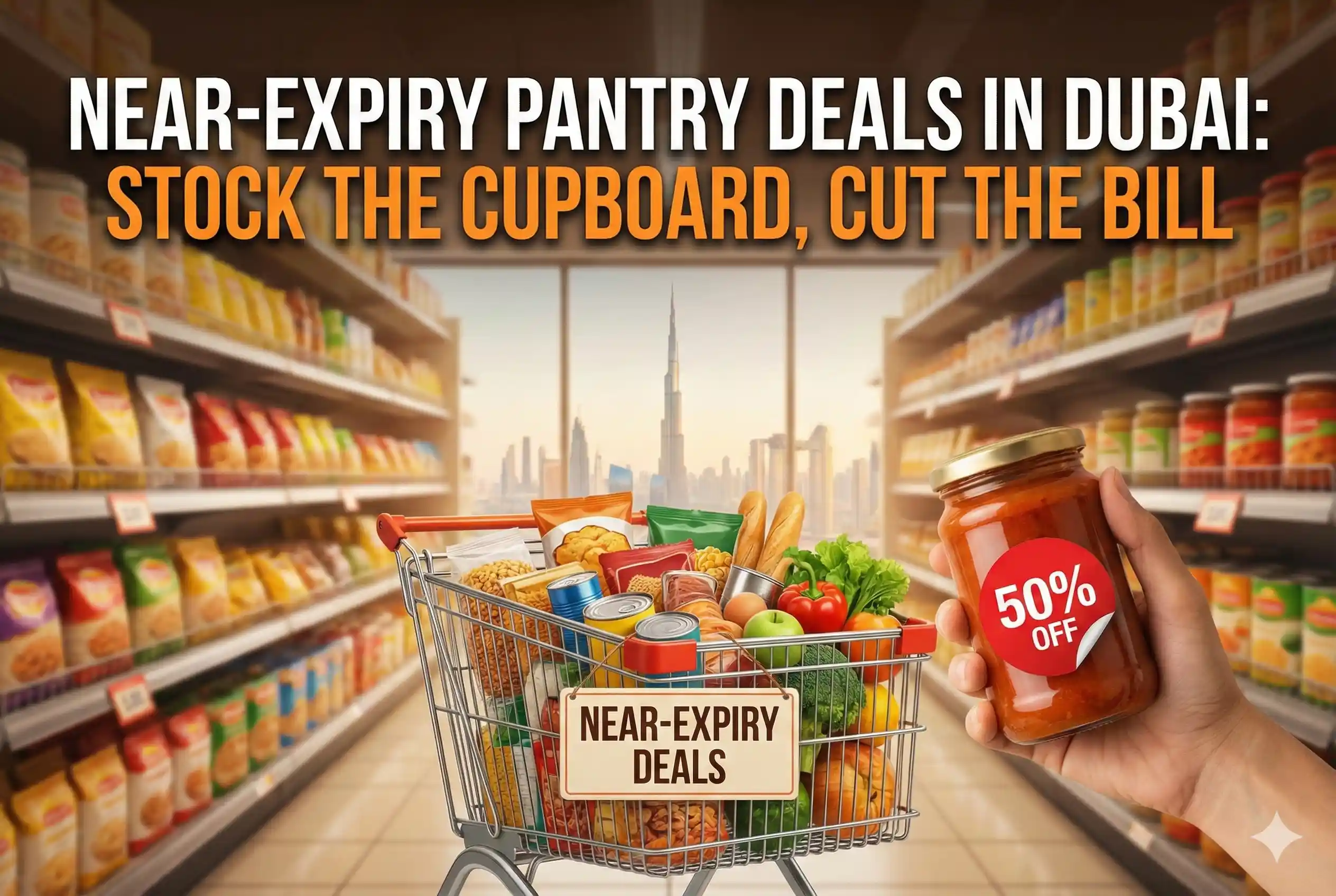
Want to lower your grocery spend without changing what you cook? Near-expiry shopping is the simplest win. These are the same branded foods you already buy—just approaching their “best before” date—so they’re still perfectly good when used promptly, but cost far less. For everyday cooking, the best place to start is your dry pantry: grains, oils, sauces, snacks, baking basics, breakfast items. They’re versatile, store well, and rotate quickly in most homes and offices.
Where to start
Begin at the storefront to see all categories and current launch-stage discounts: ThrowMeNot.
Then build a 2–3 week basket from the curated pantry aisle: Food Cupboard.
Focus on what you’ll actually cook, buy to your pace, and rotate first-in, first-out. You’ll keep the cupboard full, the menu flexible, and the receipt pleasantly smaller—without compromising on the brands you like.
Why the pantry is perfect for savings
- High usage, low risk: Pasta, rice, cereals, sauces, and canned goods disappear steadily across breakfasts, lunches, and weeknight dinners.
- Immediate value: Short-dated stock is often heavily discounted, letting you upgrade brands or buy family sizes without the markup.
- Meal flexibility: A stocked cupboard turns leftover veg into stir-fries, tins into soups, and grains into bowls—fewer last-minute deliveries, more control over cost.
What to prioritize (and how to use it)
- Carb bases: Rice, pasta, noodles, oats—build fast meals and batch-cook to finish packs on schedule.
- Proteins & sides: Beans, lentils, tuna, chickpeas—toss into salads, stews, and wraps.
- Flavor boosters: Tomato passata, curry pastes, spice blends, broths—one spoon can transform plain staples.
- Breakfast & snacks: Cereals, granola, crackers, biscuits, nut butters—ideal for lunchboxes and office drawers.
- Baking & condiments: Flour, sugar, baking powder, cocoa, sauces—weekend cookies, quick glazes, and marinades.
Simple rotation playbook (2–3 weeks)
- Plan backwards from meals. Sketch 10–14 days: pasta night, curry night, soup night, breakfast rotation.
- Right-size your packs. Family sizes for daily items; smaller jars for niche sauces.
- FIFO, always. First in, first out—keep one open and one in reserve. Label the open date with a marker.
- Store smart. Cool, dry shelves; reseal tightly; decant into jars if humidity is an issue.
For offices & small businesses
Pantry staples aren’t just for home. Teams run through coffee break snacks, instant noodles, cereals, and condiments fast. Standardize a short list, set reorder points, and buy short-dated lots to cut costs while avoiding waste. It’s an easy, measurable sustainability win that also keeps staff areas reliably stocked.
Sustainability with every basket
Near-expiry buying rescues perfectly good products from becoming waste, along with the water, energy, and transport already invested in them. Multiply that by every pantry you stock, and the impact adds up—less landfill, fewer emergency top-ups, and a calmer food budget.