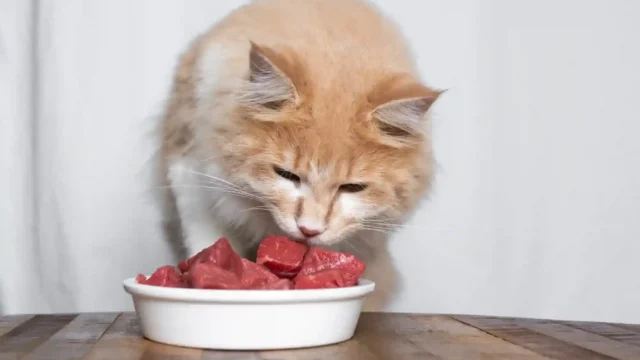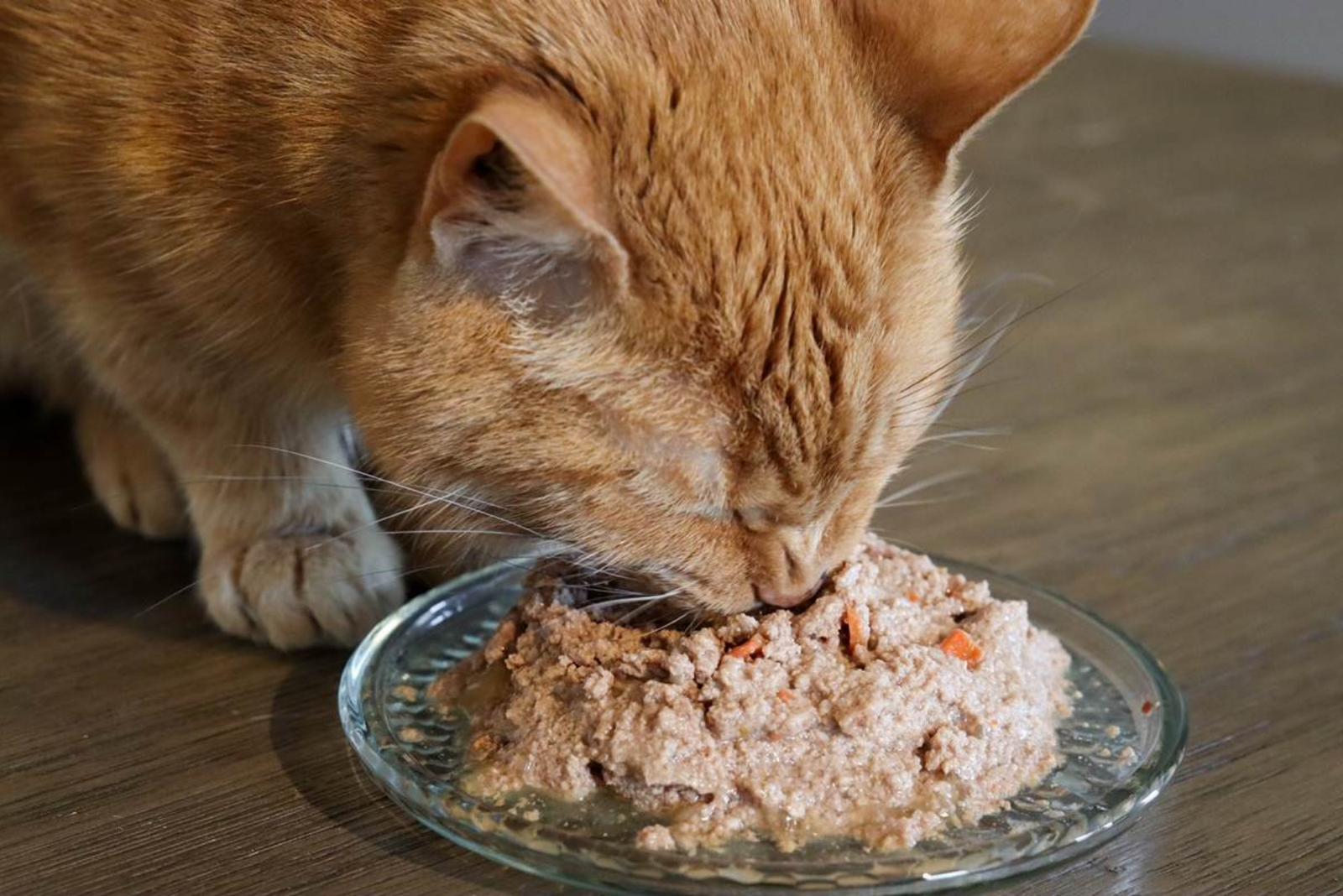
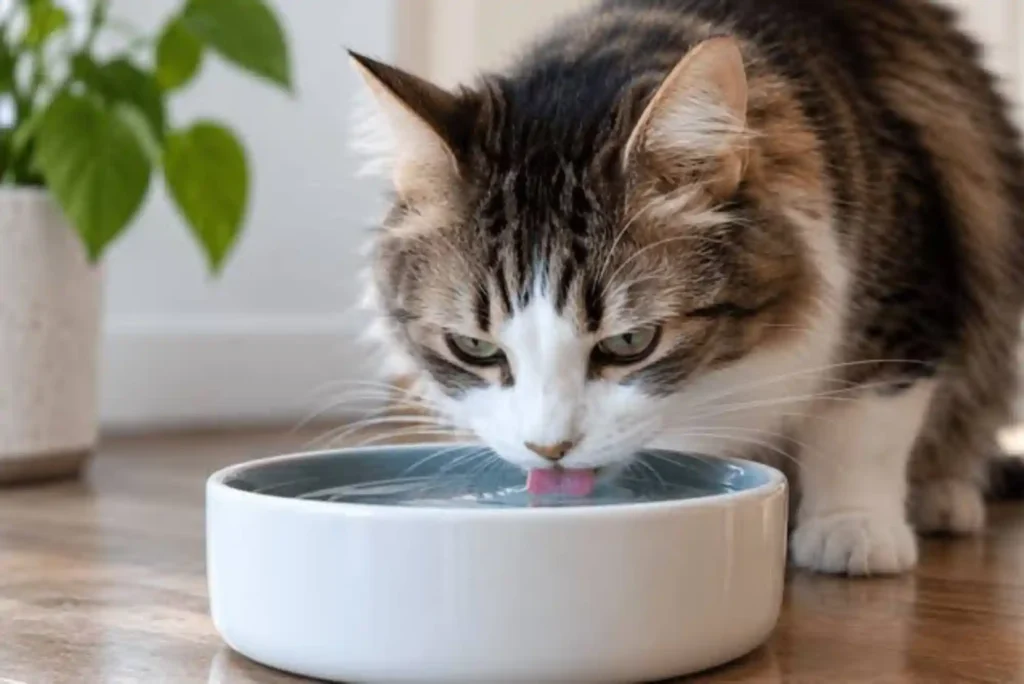
Introduction
Choosing between canned meals and kibble shapes your cat’s daily vitality and long-term health. Many owners ask wet vs dry cat food: which is better for feline longevity? because diet touches every organ system.
Cats evolved as desert hunters with a low thirst drive. Most of their natural water came from prey rather than standing pools. Understanding wet vs dry cat food: which is better for feline longevity? starts with hydration, calories, and daily habits.
How Hydration Shapes Feline Longevity
Moisture is the biggest nutritional gap between canned meals and dry kibble. Wet food typically contains roughly 70% to 85% water. Dry kibble holds only about 6% to 10% moisture.
When evaluating wet vs dry cat food: which is better for feline longevity?, hydration stands out immediately. Low daily fluid intake creates chronically concentrated urine. Concentrated urine raises the chance of painful crystals, stones, and urinary blockages.
Calories, Carbohydrates, and Healthy Weight
Extra body fat places quiet strain on joints, heart, and metabolic health. Dry food is calorie-dense because water takes up very little space. A small handful of kibble can pack surprising calories.
Free-feeding dry bowls makes overeating easy to miss. Wet food offers greater meal volume for fewer calories. That fullness helps cats feel satisfied while keeping waistlines trim.
Dental Health and Real-World Myths
Many people believe crunching kibble cleans teeth naturally. In reality, most cats crack kibble once or swallow pieces whole. Standard dry food rarely replaces proper oral care.
Veterinary dental diets use specialized kibble size and fiber structure to help reduce tartar. Regular tooth brushing and veterinary cleanings protect teeth far better than dry food alone. Healthy gums and pain-free chewing matter deeply in senior years.
Practical Pros and Cons of Each Format
Neither food style is automatically toxic when complete and balanced. Each option brings clear practical trade-offs for everyday life. Smart decisions match your cat’s needs with your home routine.
Wet food delivers superior hydration, strong aroma, and softer texture for older mouths. Yet opened cans need refrigeration and spoil faster if left out. Canned meals also cost more per day than bulk kibble.
Is a Mixed Diet the Sweet Spot for Longevity?
For many households, combining wet and dry food creates a practical balance. You gain extra hydration and lower calorie density from wet meals. You also keep the convenience and measured portioning of dry food.
A mixed routine also keeps your cat flexible across life stages. Cats accustomed to both textures adapt more easily if illness requires a prescription diet later. Always calculate total daily calories so extra treats or toppers do not cause weight gain.
How to Choose for Your Cat’s Life Stage
When weighing wet vs dry cat food: which is better for feline longevity?, age and medical history matter most. Kittens need energy-dense, complete nutrition for rapid growth. Introducing wet food early builds healthy moisture habits from day one.
Adult cats with urinary crystals, kidney strain, or excess weight usually thrive with more wet food. Senior cats often lose thirst sensitivity and develop stiff joints or sore teeth. Soft, aromatic wet meals support comfort and hydration in older age.
Frequently Asked Questions
Do cats live longer on wet or dry food?
No single food format guarantees a longer lifespan on its own. Genetics, indoor safety, weight control, and veterinary care all play major roles. Still, wet or mixed diets often reduce urinary and kidney strain through better hydration.
Can cats survive on dry food only?
Yes, a cat can survive and stay healthy on a complete, balanced dry diet. Make sure the bag meets recognized nutritional standards for your cat’s life stage. Measure portions carefully and offer fresh water bowls away from food and litter boxes.
Is wet food bad for cats’ teeth?
Wet food does not directly rot or damage healthy teeth. Any food residue can contribute to plaque over time regardless of texture. Daily brushing or vet-approved dental care remains the most reliable protection.
How much wet food should a cat eat per day?
Daily wet food amounts depend on weight, age, activity, and specific calorie labels. Many adult cats eat roughly two to three small cans or pouches daily. Check the label calories and confirm targets with your veterinarian.
Conclusion
Ultimately, wet vs dry cat food: which is better for feline longevity? comes down to hydration, lean weight, and complete nutrition. Wet food leads in moisture and fullness, while dry food offers convenience and budget value. Pairing measured portions with strong hydration habits gives your cat the best foundation for healthy aging.