Introduction
Cats are obligate carnivores, meaning their bodies require nutrients primarily found in animal tissues. Unlike dogs, cats have specific dietary requirements that make animal-based nutrition essential. Therefore, many cat owners explore a raw diet for cats to provide protein-rich meals. However, feeding raw meat involves important nutritional and hygiene considerations. A poorly planned diet can cause serious health problems.
Understanding Raw Diet for Cats (Obligate Carnivores): Recipes and Safety Rules helps owners make informed feeding decisions. Raw feeding usually includes uncooked meat, organs, and animal-based ingredients. Some approaches also include commercially prepared supplements. Although raw food may seem natural, it does not automatically provide complete nutrition.
Cats need specific nutrients, including taurine, vitamin A, arachidonic acid, and certain B vitamins. These nutrients must come from appropriate dietary sources. Consequently, owners should understand nutritional balance before considering homemade meals. Veterinary guidance is particularly important when changing a cat’s regular diet.
Why Are Cats Considered Obligate Carnivores?
Cats evolved to obtain essential nutrients from animal-based foods. Their digestive systems and metabolism reflect this biological requirement. Unlike omnivorous animals, cats cannot efficiently produce certain nutrients from plant-based ingredients.
Protein plays an important role in maintaining muscles, supporting immunity, and repairing body tissues. Cats also require taurine for normal heart function, vision, and reproduction. A deficiency can lead to serious medical complications.
Another important nutrient is arachidonic acid, an essential fatty acid. Cats also require preformed vitamin A because their bodies cannot convert plant beta-carotene efficiently. Therefore, a suitable feline diet must meet these specific nutritional requirements.
Raw Diet for Cats (Obligate Carnivores): Recipes and Safety Rules should always begin with understanding these nutritional needs. Simply serving uncooked chicken or beef cannot guarantee a balanced diet.
Understanding the Basics of a Raw Diet for Cats
A raw diet generally contains uncooked animal-based ingredients. These may include muscle meat, organs, and other carefully formulated components. Some commercial products also contain added vitamins and minerals.
However, raw feeding methods differ considerably. Some owners prepare homemade meals, while others purchase commercially manufactured raw cat food. Both approaches require careful attention to nutritional completeness.
Muscle Meat and Protein Sources
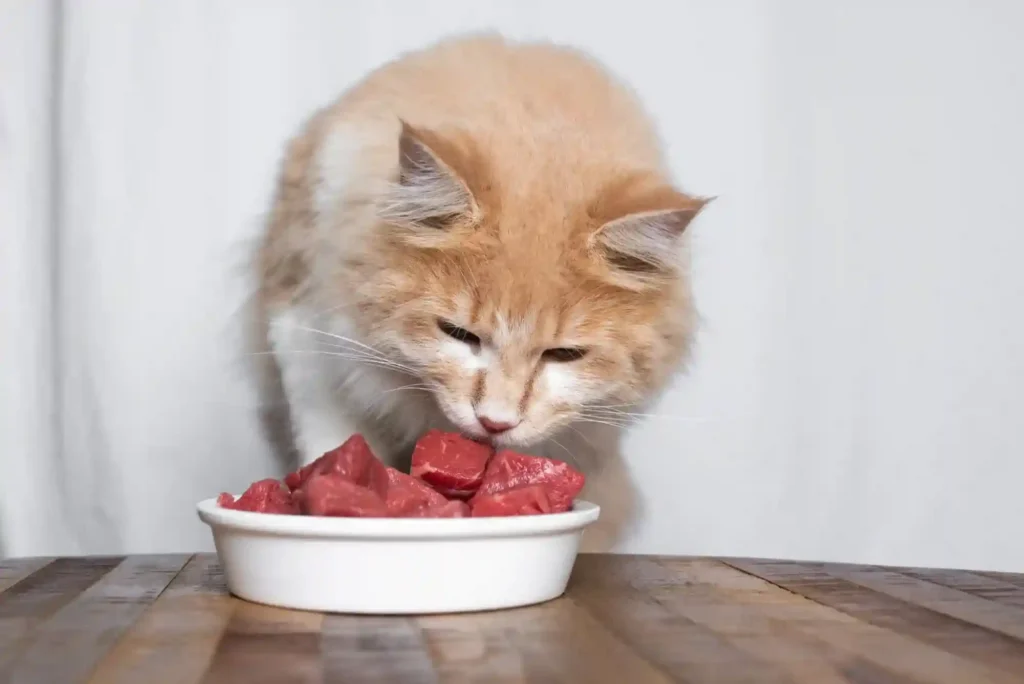
Muscle meat provides protein and essential amino acids. Chicken, turkey, and beef are common ingredients in cat food formulations. However, different meats contain different nutritional profiles.
For example, chicken provides protein, while beef supplies additional nutrients such as iron and zinc. Nevertheless, feeding only muscle meat creates nutritional gaps. Cats require more than protein to remain healthy.
Organ Meat and Essential Nutrients
Organs contain concentrated nutrients that support normal body functions. Liver provides vitamin A and several B vitamins. Other organs contribute additional minerals and nutrients.
However, excessive organ consumption can also create nutritional imbalances. Liver, for example, contains high amounts of vitamin A. Therefore, its inclusion must follow a properly formulated recipe.
Why Supplements Matter
Homemade cat food frequently requires carefully measured supplements. Taurine, calcium, vitamin E, and other nutrients may be necessary. Their quantities depend on the complete formulation.
Adding supplements randomly is not a safe approach. Both deficiencies and excessive nutrient intake can affect feline health. A veterinary nutritionist should formulate homemade raw meals.
Raw Diet for Cats: Safe Recipe Approaches
Preparing balanced raw meals requires more knowledge than combining different meats. Nutritional requirements must be calculated according to the cat’s age, weight, and health.
The following examples explain ingredient approaches rather than complete feeding recipes. They are not nutritionally complete meals and should not replace formulated cat food.
Chicken-Based Raw Food Concept
Chicken is a commonly considered protein source because it provides essential amino acids. However, plain raw chicken does not contain every nutrient cats require.
A professionally formulated chicken-based diet must account for taurine, calcium, vitamins, and essential fatty acids. It must also address the nutritional differences between meat and other animal tissues.
Never assume that chicken breast alone provides complete feline nutrition. Homemade chicken recipes should receive veterinary nutritional approval before feeding.
Turkey-Based Raw Food Concept
Turkey offers another animal-based protein option. It contains protein and several important minerals. Some cats may also find turkey appealing because of its taste and texture.
However, turkey meat alone cannot meet every feline nutritional requirement. A balanced formulation needs appropriate mineral and vitamin levels.
Avoid using seasoned turkey, cooked bones, or processed deli meat. These products may contain ingredients unsuitable for cats.
Beef-Based Raw Food Concept
Beef provides protein, iron, zinc, and vitamin B12. It can form part of a professionally formulated feline diet.
Nevertheless, beef muscle meat alone is nutritionally incomplete. Additional nutrients must be calculated carefully to meet established feline requirements.
Owners should also consider food sensitivities. Some cats experience digestive problems after eating particular protein sources.
Important Safety Rules for Raw Feeding
Safety is one of the most important aspects of Raw Diet for Cats (Obligate Carnivores): Recipes and Safety Rules. Raw animal products can carry harmful microorganisms. These include Salmonella, Listeria, and certain strains of E. coli.
Cats may become infected after consuming contaminated food. They can also spread harmful bacteria through their saliva and feces. Consequently, raw feeding creates potential risks for other household members.
Understand Bacterial Contamination
Raw meat can contain bacteria even when it looks fresh. Washing meat does not reliably remove harmful microorganisms. In some situations, washing can spread contamination around kitchen surfaces.
Commercial freezing also does not reliably eliminate every bacterial or viral hazard. Therefore, frozen raw meat should never be considered automatically safe.
Follow Proper Food Storage
Raw pet food requires careful temperature control. Keep products refrigerated or frozen according to manufacturer instructions. Never leave raw meals at room temperature for extended periods.
Thaw frozen food inside the refrigerator rather than on kitchen counters. Store raw pet food separately from human food. Additionally, use sealed containers to prevent accidental contamination.
Maintain Kitchen Hygiene
Wash hands thoroughly after handling raw ingredients. Clean preparation surfaces, utensils, and food containers immediately. Separate equipment used for pet food from equipment used for human meals.
Food bowls also require regular washing. Remove uneaten raw food promptly according to veterinary and manufacturer guidance. These precautions reduce contamination risks.
Avoid Dangerous Ingredients
Certain ingredients can harm cats even when included in homemade recipes. Onions and garlic can damage red blood cells. Chocolate, alcohol, and excessive salt also create health risks.
Never feed cooked bones because they can splinter. Raw bones also carry choking, dental injury, obstruction, and bacterial risks. Therefore, bones should not be added without professional veterinary guidance.
Potential Benefits and Risks of Raw Feeding
Raw feeding attracts attention because it emphasizes animal-based ingredients. However, claims about its health benefits should be evaluated carefully.
Some owners report improvements in stool consistency or food acceptance. Nevertheless, these experiences do not establish that raw diets are healthier than balanced commercial diets.
Possible Advantages
A properly formulated animal-based diet can provide essential protein and amino acids. Some commercial raw products also offer convenient portioning and ingredient information.
Additionally, certain cats may prefer the taste of specific meat-based foods. However, preference alone does not establish nutritional quality.
There is currently insufficient reliable evidence that raw diets provide overall health advantages compared with complete and balanced cooked diets.
Nutritional Deficiencies
An improperly prepared raw diet can lack essential vitamins and minerals. Calcium and phosphorus imbalances are particularly concerning.
Taurine deficiency can damage the heart and eyes. Inadequate vitamin intake can also affect growth, immunity, and normal body functions.
Kittens are especially vulnerable because they require precise nutrition during development. Pregnant and nursing cats also have increased nutritional requirements.
Bacterial and Parasitic Infections
Raw meat may contain parasites and infectious microorganisms. These organisms can affect both pets and people.
Young children, older adults, pregnant women, and immunocompromised individuals face greater risks from foodborne infections. Therefore, raw feeding deserves particular caution in households containing vulnerable people.
How to Transition a Cat to a New Diet
Changing a cat’s food requires patience and careful monitoring. Sudden dietary changes can cause vomiting, diarrhea, or reduced appetite.
Before introducing raw food, consult a veterinarian. Discuss the cat’s nutritional needs, medical history, and potential infection risks.
If a veterinarian recommends a dietary change, follow their specific transition plan. Monitor appetite, body weight, stool quality, and general behavior.
Never force a cat to eat unfamiliar food. Cats that stop eating can develop serious complications, particularly when they are overweight. Contact a veterinarian promptly if your cat refuses food or develops persistent digestive symptoms.
Choosing Commercial Raw Cat Food Safely
Some owners prefer commercially manufactured raw food instead of homemade preparations. These products may provide more consistent nutrient formulation. However, commercial availability does not automatically guarantee safety.
Choose products labeled complete and balanced for the appropriate feline life stage. Check the manufacturer’s nutritional information and quality-control procedures.
Ask whether the company conducts pathogen testing and follows appropriate food safety standards. Also, confirm its storage and handling instructions.
A qualified veterinary nutritionist can help evaluate whether a particular product meets your cat’s requirements. Remember that raw food is not necessary for cats to receive high-quality animal protein.
Frequently Asked Questions
Is a raw diet safe for indoor cats?
Raw feeding carries bacterial and nutritional risks regardless of whether a cat lives indoors or outdoors. Indoor cats can also become infected through contaminated food. A complete and balanced cooked diet is generally a safer option.
Can cats eat raw chicken every day?
Plain raw chicken should not become a cat’s complete daily diet. It lacks several essential nutrients, including appropriate amounts of calcium and other vitamins. Regular feeding requires a professionally formulated, nutritionally complete diet.
Do cats need raw meat to stay healthy?
No. Cats need essential nutrients rather than raw meat specifically. Complete and balanced commercial cat foods can provide the protein, taurine, vitamins, and minerals they require.
What raw foods are best for cats?
No single raw ingredient provides complete feline nutrition. Chicken, turkey, and beef can contribute nutrients within properly formulated diets. However, the complete nutritional composition matters more than the individual meat source.
Can kittens eat a raw diet?
Kittens have demanding nutritional requirements because their bodies are growing rapidly. Nutritional deficiencies can cause serious developmental problems. Raw diets also introduce infection risks. Veterinary guidance is essential before considering any alternative feeding approach.
How can I prevent bacteria in raw cat food?
Use careful refrigeration, separate preparation equipment, and thorough handwashing. Clean food bowls and preparation surfaces regularly. However, these measures cannot eliminate all risks associated with raw animal products.
Conclusion
Raw Diet for Cats (Obligate Carnivores): Recipes and Safety Rules requires careful consideration of feline nutrition and food hygiene. Cats need animal-based nutrients, including taurine, essential fatty acids, and high-quality protein. However, raw meat alone cannot provide a complete and balanced diet.