Introduction
Cats rarely cry out when they hurt. Instead, they mask weakness to stay safe in the wild. Learning how to tell if your cat is in pain protects their health early. Subtle signs of feline sickness often hide behind everyday habits.
A quiet shift in routine usually comes first. Your cat might linger longer before jumping onto a sunny sill. Watching closely helps you catch trouble before it grows severe.
Why Cats Hide Discomfort So Well
In nature, cats are both hunters and prey. Showing weakness invites danger from larger animals or rivals. That survival instinct stays strong inside our living rooms.
Even gentle house cats hold back obvious distress signals. They keep moving, eating, or resting until discomfort becomes harder to hide. Knowing how to tell if your cat is in pain starts with understanding this instinct.
Facial Clues and Eye Changes
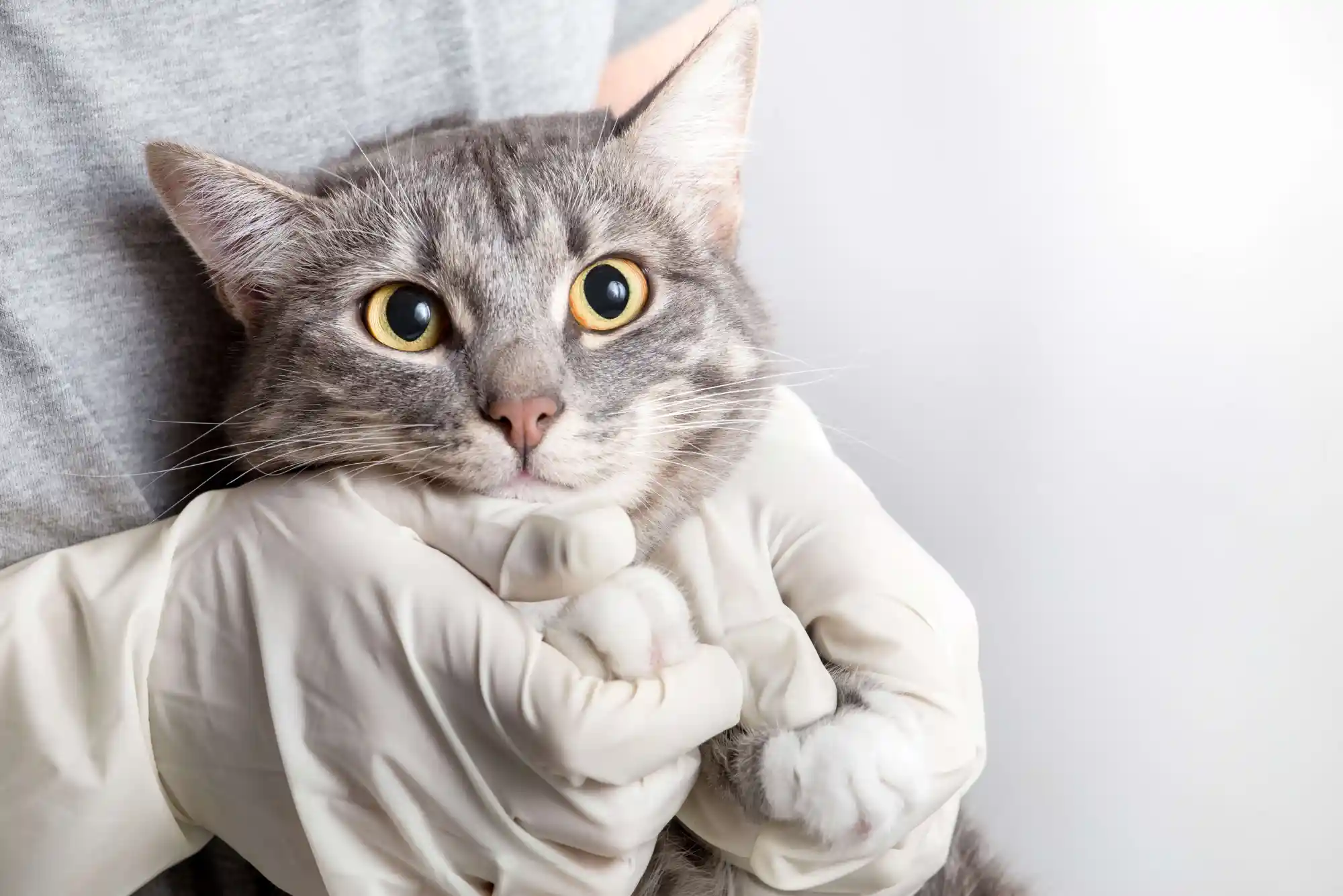
A cat’s face reveals discomfort long before a limp appears. Squinted or half-closed eyes often point to eye trouble or general ache. Ears may rotate outward or flatten slightly against the head.
Watch the whiskers and muzzle tension closely. Whiskers pulled forward or bunched tightly can signal stress or pain. A dull, vacant stare is another quiet warning sign.
Posture and Movement Shifts
Pain often changes how a cat stands or walks. A hunched back with tucked paws can mean belly ache. Holding the head lower than the shoulders is also common.
Stiff steps after napping frequently point to joint soreness. Some cats take smaller hops or skip high perches altogether. Others seek out warm radiators or sunny patches to soothe aching joints.
Grooming Habits and Coat Condition
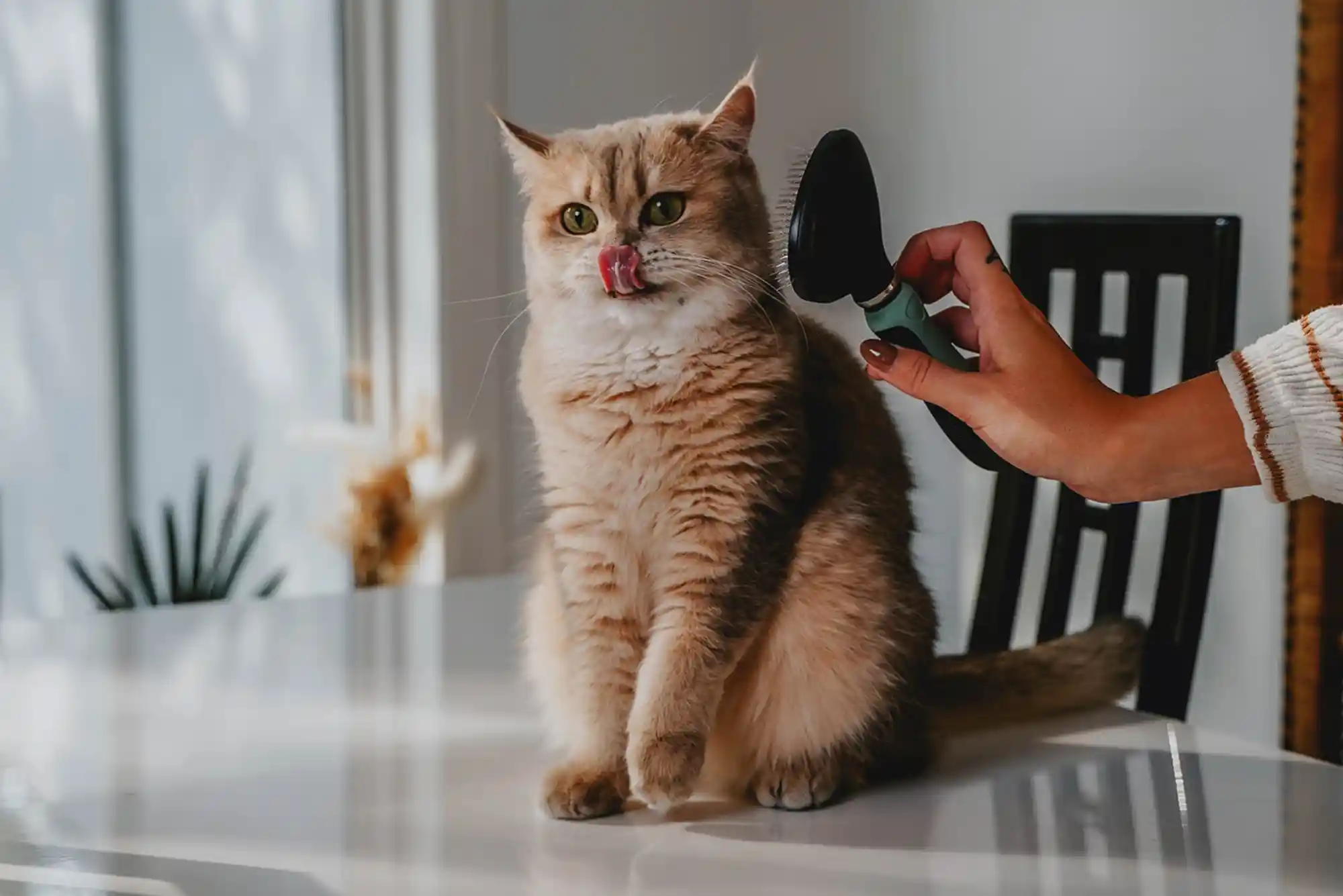
Healthy cats spend hours keeping their coats neat and smooth. When pain strikes, grooming habits often swing in either direction. A sore spine or stiff hips can stop a cat from reaching their back.
That skipped grooming leads to greasy fur, mats, or flaky skin. Conversely, licking one spot nonstop can create raw skin or bald patches. Belly licking sometimes hints at bladder discomfort.
Appetite, Thirst, and Litter Box Clues
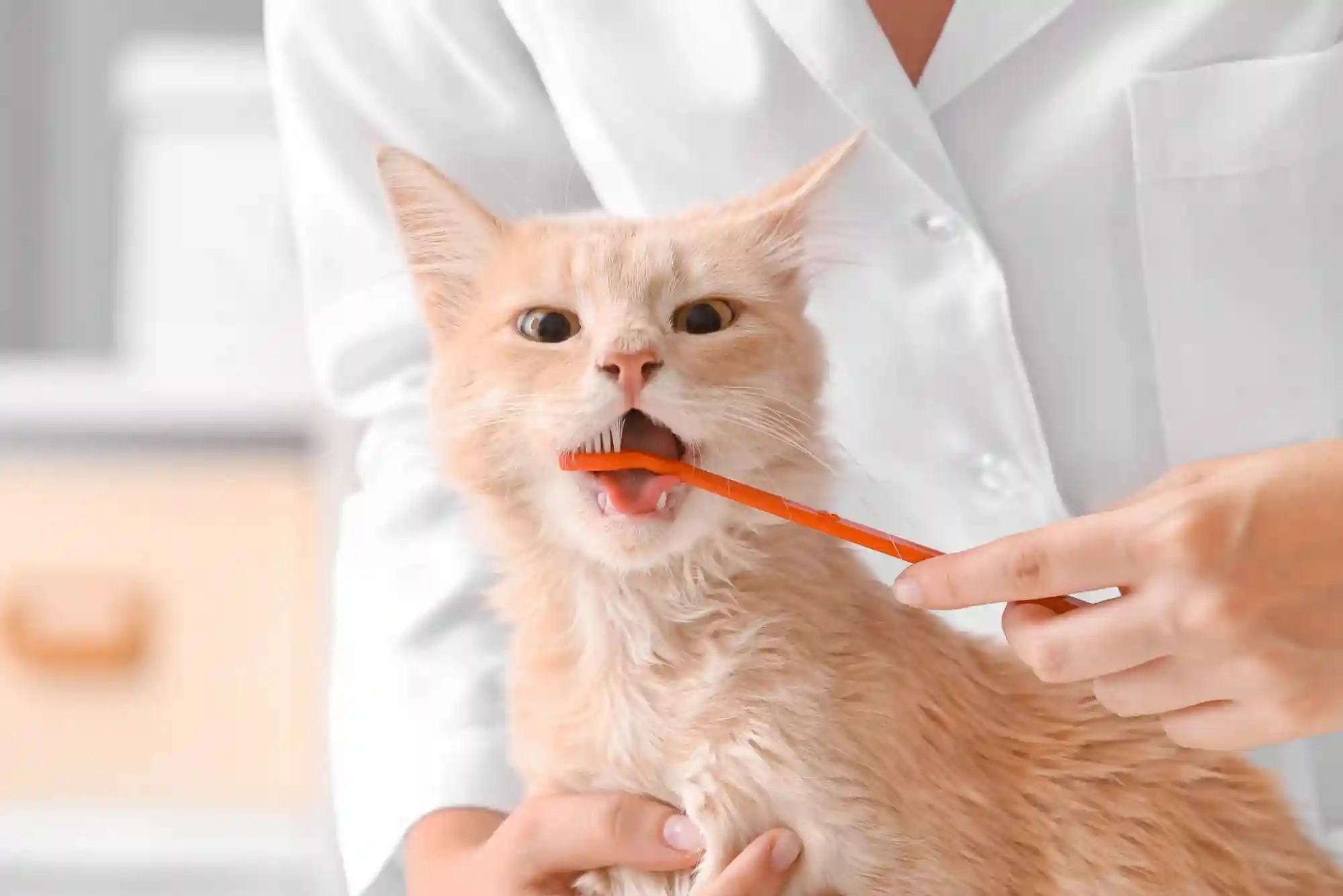
Changes in eating or drinking deserve prompt attention. A cat with tooth ache might drop kibble or chew on one side. Nausea or illness can make a cat turn away from favorite meals.
Litter box accidents are rarely just bad manners. Stepping over high box walls hurts arthritic hips or sore backs. Straining, crying in the box, or tiny urine clumps require urgent care.
Behavior, Mood, and Vocalization
Sudden mood shifts are classic subtle signs of feline sickness. A cuddly cat might pull away when touched on a sore spot. Occasional swats or growls are often pleas for space, not spite.
Some hurting cats grow unusually quiet and hide in dark corners. Others become extra clingy or meow more often, especially at night. Even purring can happen when a cat feels scared or unwell.
When to Seek Immediate Veterinary Care
Certain symptoms mean your cat needs emergency help right away. Open-mouth breathing or panting at rest is always an emergency in cats. Repeated vomiting, collapse, or trouble walking on back legs also demand urgent care.
A cat trying to urinate with little or no output faces a life-threatening blockage. Never give human pain relievers like ibuprofen or acetaminophen. Those medications are poisonous to cats and can cause fatal harm.
How You Can Support Your Cat at Home
Start by keeping a simple log of what you observe. Note changes in appetite, litter box trips, hiding spots, and mood. Short phone videos of your cat walking or resting help your vet.
Make daily life easier while waiting for your appointment. Place food, water, and a low-sided litter box on one level. Let your cat rest quietly without forcing affection.
Conclusion
Learning how to tell if your cat is in pain takes patience and sharp observation. Subtle signs of feline sickness show up in small daily shifts. Trust your instincts whenever your cat acts out of character.
Book a veterinary exam today if you notice lingering changes in your cat. Early care relieves quiet suffering and helps your feline friend thrive.
Frequently Asked Questions
How do you tell if a cat is in pain or just getting old?
Aging slows cats down, yet painful joints are often mistaken for normal age. Hesitating to jump, stiffness after rest, or skipping grooming point toward pain.
Why do cats purr when they are in pain or sick?
Purring usually signals comfort, but cats also purr during stress or pain. It may act as a self-soothing habit when they feel uneasy.
What is the biggest sign a cat is in severe pain?
Sudden hiding, refusing food, or crying when touched can signal strong discomfort. Panting, trouble breathing, or straining in the litter box are critical red flags.
Can a cat in pain still eat and use the litter box?
Yes, many cats in pain still eat and visit the litter box. Survival instincts push them to keep basic routines going.